Friday, February 19, 2010

MY RESPONSE TO LUKE HELLIER FROM MDE


Luke Hellier is such a small man. If you can even call him a man. He spends his time thinking up things to say about Democrats on a blog called "Minnesota Democrats Exposed." Of course everything he writes is a misrepresentation or exaggeration or downright lie. He is a petty little man who seeks attention because no one likes him. How could they? All he does is say nasty things about other people.

Here's my response to a post he made at MDE today:

Luke. Your reading comprehension is less than a preschoolers. The title of your blog post is not what the blogger in question said. All you are doing is making yourself look stupid. Another thing for you to think about: Governor Veto has just put the lives of the most vulnerable and poorest Minnesotans at risk. If they die from lack of health care, it will be on his shoulders. Also on yours if you agree with his policy of taking everything away from poor people. Alan Grayson is right. The Republican health plan is, “Don’t get sick. And if you do get sick, die quickly.” You ought to be ashamed of yourself for your lack of compassion toward those who are disabled and can’t help themselves. You and your cohort Michael Brodcrap are two peas in a pod and Governor Veto makes three. Furthermore, nobody cares what you think or what you write about the DFL gubernatorial candidates. They are so far above you in character and personality because you have lowered yourself down below a snake's belly. You are lower than the slugs found beneath the snake. You're the slime beneath the slugs beneath the snake. Crawl out of your deep dark hole if you can and start saying nice things about people.

Furthermore, which candidate I do or do not support has nothing to do with my blog that you were referring to. To randomly throw in a candidate's name is just another way you use to make people aware of how lame you are. I strongly suggest you find something more viable to do with your life. You are truly pathetic.


POLITICAL ISSUES OF YESTERDAY AND TODAY

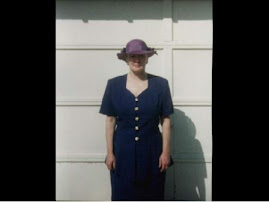
Me in my band uniform with my saxophone in autumn
of 1966. This is the front yard of the farm I grew up on.


What were the political issues of the late 1960's? Were they so different from what they are now? Why hasn't more change been implemented? Here's some of the main things that were on our minds back then. Also, check out the website "An Oral History of 1968."

1.  Viet Nam War. Many of us protested this devastating and illegal war in Southeast Asia. Some protestors were killed. Many were arrested. The refusual of the Nixon administration to listen caused organizations to spring up such as the SLA whose members were willing to fight back in any way possible. There was the Chicago Seven, Abby Hoffman with his book "Steal this Book," and a myriad of protest songs by such songwriters and musicians as Bob Dylan, Country Joe MacDonald, Peter Paul & Mary, Arlo Guthrie and others. We did instigate some changes; unfortunately, sometimes it seems like we're right back where we started. I heard Arlo Guthrie and Pete Seeger at the Minnesota Zoo back when Ronald Reagan was President. Arlo said, "Too bad these old protest songs are still relevent."

2.  Racial and Gender Inequality. We have fought the good fight for racial equality for many decades. We have seen a small amount of progress but not nearly enough. Every state should pass it's own Equal Rights Amendment. Back in the 1960's, Women's Liberation was a big deal. We've come a long ways, but not far enough. There are still too many disparities in many areas.

3.  Rights of Students. The year I graduated from high school (1968) was the last year that girls had to wear dresses or skirts to school. The Civil Liberties Union got involved in that one. The following year girls could begin wearing slacks.

4.  Draft Dodgers. On January 5, 1968, Dr. Benjamin Spock; William Sloan Coffin the chaplain of Yale University; novelist Mitchell Goodman; Michael Ferber, a graduate student at Harvard; and Marcus Raskin a peace activist are indicted on charges of conspiracy to encourage violations of the draft laws by a grand jury in Boston. The charges are the result of actions taken at a protest rally the previous October at the Lincoln Memorial. The four will be convicted and Raskin acquitted on June 14th.

5.  Does the 1968 Presidential Election have any lessons for Minnesota's 2010 Gubernatorial Election? Take a look at this website.

6.  Media Exposure and Political Attitudes. Here's the .pdf website.

7.  Generational Disputes. In the late 1960's and early 1970's, parents were distraught about their children who were "turning on, tuning in and dropping out." This was a phrase coined by Timothy Leary in the 1960's. Read about it here. Is today's drug culture the same as it was back then? No.

8.  First Amendment Rights, particulary in the media. Read about it here.


Comments welcome on political issues then and now.


Thursday, February 18, 2010

THINGS I LEARNED TODAY

Me at 3 years old driving the old Farmall tractor.
We later traded it in for an International.


Here's the things I learned today:

If I could drive a tractor at the age of three, I can do that and more today. (Margaret Anderson Kelliher has nothing on me.)

More people watch the 6:00 p.m. news on KSTP, channel 5, than I thought. All day today people came up to me and said, "Hey! I saw you on the news last night!" Celebrity for a day. I even got an email from Harry, a guy I used to work with quite a few years ago at MinnesotaCare.

Mark Dayton and his lead staffers are very clever. Nothing slips by them.

Governor Pawlenty is going to veto the GAMC bill. He would veto his own mother if he thought he could get away with it. What an uncaring, unfeeling, unintelligent, ruthless governor. If the legislators passed the bill in both the House and the Senate, the least the governor could do is sign it.

My pants are getting very loose.

My cat still thinks she's a dog.

Paul Thissen writes excellent letters.

I need to spend time with GYM at least every other day.

The downtown St. Paul post office is going to be relocated to Eagan. (They'll need a big truck to move that building with.)

Some political issues are too controversial to talk about on Facebook.

I still can't sing.

Rob Hahn is a pretty good writer. (Not as good as me, though...)

Chronic pain can cause depression, but Bayer works wonders. So does Diet Coke.

A cat's purr is on a vibrational level that can promote healing.

Most of the people I work with are Democrats.

My future blog posts will include The Politics of Death, CAM (Complementary and Alternative Medicine), Preparedness Training for Morticians, Big Daddy Squeeze, and Being Ruthless and Relentless in Politics.

It might be harder than I thought to bring back Butter Brickle Ice Cream.

Saturday at my SD53 Convention, I will caucus for reNEW MN.

Unfortunately, since I decided to attend the SD53 Convention, I'll have to miss TELI (Toastmasters Education and Leadership Institute). It's very naughty of me not to attend, and I particularly wanted to hear Craig Valentine give the keynote address, but making sure the DFL has the leadership it needs to face the upcoming election is too important to not go to the convention.

Tall Tales can be exceedingly funny. Golden Rule Toastmasters held their club contest today. We had four contestants for the Tall Tales contest and one for the International speech contest. Bob Boyce from Dept of Commerce took first place in Tall Tales. Greg Doyle, also from Commerce, took second. They both told excellent tales. Bob will advance to the Area 16 contest at Freeman Building on March 2 at 11:30. Dan Vesey, MDH, will represent Golden Rule Toastmasters in the International contest. All are welcome. It's going to be a wonderful, fun contest.

I can convince people to vote for a particular candidate through the use of persuasive speaking techniques.

A sharp spike in viral load causes feverish symptoms.

Brian Klaas enjoys the status of being Brian I.

Okay, that's quite enough new things to learn in one day.

Wednesday, February 17, 2010

Augsburg College DFL Gubernatorial Debate


Six DFL candidates participated in the DFL gubernatorial debate at Augsburg College last night (February 16, 2010). They were R. T. Rybak, Tom Rukavina, Paul Thissen, Mark Dayton, John Marty and Tom Bakk. The event was sponsored by Sabo Center and Augsburg Political Science Department.

Since I never like to go home first after work, I went straight to Augsburg . I arrived around 4:30. I found the building and the auditorium, then went next door to the Student Center cafeteria and had a very light dinner, which I couldn’t finish because I’ve lost my appetite in the past couple of months.

I went back to the Music Hall, where the debate was taking place. It was still early, so I wandered down the hallway and found a Medieval Event going on in the chapel. How I wanted to go there instead of to the debate. If you’ve seen one gubernatorial candidate forum, you’ve seen them all. It’s not often that a medieval event takes place, though. I have a double major from the University of Minnesota in English literature and history. My history emphasis was Tudor/Stuart England as well as Renaissance and Medieval History. I love the Renaissance Festival in Shakopee and try to go there every year.

Duty called, and back I went down the hallway to the auditorium. It was still early, so I chatted for awhile with the moderator of the gubernatorial debate. This was Jay Benanav, Augsburg 's director of government relations. He is a former member of the St. Paul City Council. I had a very interesting conversation with him for about twenty minutes.

"The next governor will set the tone for issues ranging from health care to the environment to taxes to economic development," said Benanav. "All of these issues will impact the job market in the state and would directly impact the ability to get a job in Minnesota after graduation."

By now people were beginning to arrive, including campaign staffers. Benanav went off to prepare for his duties of the evening. Frank Brown, my friend from TakeAction MN and Second Chance Coalition, walked in the door and came over to say hi to me. It was good to see him again.

Rybak has a lot of excellent staffers. They’re always right on top of it as they try to get new supporters. They tried to get me, but Brian II from Dayton ’s campaign put a stop to that. Orrie tried once again to get me to support Rukavina. Since I’m going to be a delegate at the SD53 convention this Saturday, and since my alleged candidate is not part of the endorsement process by choice, Orrie figured I may as well caucus for Rukavina. I really ought to caucus for reNEW MN. (Coincidentally, I just got off the phone with Elizabeth from TakeAction.) Tom Rukavina caught me in the aisle of the auditorium and pressed one of his campaign buttons into my hand and smiled so engagingly. How come Dayton never does that? Oh well, he gives hugs. I can go a long time (at least 24 hours) on a good hug. Hugs are energizing.

Kudos to Paul Thissen, Tom Rukavina and Mark Dayton for coming up to me before the debate and asking how I am. They all know I’m fighting liver disease. It’s nice of them to remember to inquire after my health. I had a chance to talk to Paul Thissen for several minutes regarding Pawlenty’s horrible budget news. Paul is always ready to listen and to respond in a meaningful way. When you talk to him, you know he’s really listening. He’s focused on you and not on the next voter or the next person who might be walking in the door. He should give lessons on that to all the other candidates.

Frank Brown and I sat in front of the auditorium, in the second row, so we could see the candidates up close and hear what they said. The forum began promptly at 7:00. A few prepared questions focusing on education issues and policy were asked of the candidates. At the end of the prepared questions and the candidates’ answers, the audience was invited to ask questions.


Here are some of the questions and how the candidates responded to them.

Question #1:  School districts are creatures of the state. What is the responsibility of the state vs the responsibility of the school district? How should education be funded?

R. T. Rybak - He gave a rousing but brief analysis of how funding won't come from Pawlenty. He believes that most of the control of schools should be at the local level. People should rally around the kids in the communities. He gave some examples of what's been working in Minneapolis.

Tom Rukavina - Jobs, jobs, jobs and education, education, education. I think the jobs jobs jobs is from Bakk's campaign, although that mantra really should have gone to Dayton as he worked so closely with Rudy Perpich, whose mantra it was originally. He likes the Minnesota Miracle. He talked about excess levy. He says the current main criteria for education comes from federal laws and mandates and that they are handed down with no money.

Paul Thissen - We should consider what tone the governor will set. The state should provide resources for education. Education should be funded by the state. He's a fan of having a liberal education in order to provide students with a well-rounded education in order to prepare students for life and lead them into the future.

Mark Dayton - He believes that shifting the financial costs of education onto property taxes is unconstitutional. He has the knowledge to back up that claim. When he is governor, he will increase K - 12 funding every year that he is in office, no excuses and no exceptions. He means it, too. You can count on it. As far as campaign promises and doing what he says, he is never wishy-washy. As far as politics, he says what he means and means what he says.

John Marty - Education is a good thing to invest in for our future. We need to train people from an early age to be good human beings and to be compassionate toward others. He thinks that our educational system should teach, among other things, language, music, arts and sex education. He is in favor of a broad range of subjects being taught to our kids.

Tom Bakk - If you can pass a levy in a school district you can get funding. If the levy doesn't pass, the school district doesn't get that funding. Many school districts are being left behind because the levy doesn't pass. He used Grand Marais as an example. 


Question #2:  What ideas do you have for new models of education. Where will you get other ideas?

Tom Rukavina - He'll get new ideas from teachers. Governor Pawlenty is pulling six million dollars out of the educational system, including colleges. We must train the workforce with educational opportunities. He has legislated mining endowments for the University of Minnesota.

Paul Thissen - He will look to teachers and communities for new ideas. We must close the achievement gap. Look to the good charter schools for good ideas. 

Mark Dayton - He will look to teachers and administrators. As Senator, he legislated Excellence in Education. He voted against No Child Left Behind because it didn't work. He gave another anecdote about energy savings in a particular school in Minnesota. This school uses geothermal energy and has built a dome around the school.

John Marty - He wants to reinstate a state-wide school board. He doesn't want to leave it in the hands of the governor and the commissioner. He wants to have master teachers who mentor younger teachers. He believes in taking care of the whole child and meeting their needs.

Tom Bakk - Governors set the tone. The next governor will be very important. We're at a fork in the road. The next governor will need to bring in teachers and administrators and talk about what is working in the educational system and what is not working. Pawlenty says our schools are failing, but Bakk says that is not true. Minnesota schools have the highest ACT scores and the highest graduation rates in the country. 

R. T. Rybak - He told the audience that he spends a tremendous amount of time in schools. He feels energized when he comes out of schools. He wants to teach students about agriculture and let them learn how to home grow and how to cook the food. He wants more programs like elementary music. He talked about the success of the Minneapolis Promise.


Question #3:  How much K  - 12 federal funding concedes to the federal government?

Paul Thissen - Be wary of the strings attached to federal government. The Feds try to tie our hands. 

Mark Dayton - Paul Wellstone held the legislature for No Child Left Behind for six months. Teachers don't want to teach to the tests. They want to instill a love of learning in the kids. The Feds should fund special education. Dayton told of his experiences teaching school right after his college graduation from Yale University. 

John Marty - No Child Left Behind is a terrible way to test kids. We can't measure compassion, character, etc.

Tom Bakk - The carrot always comes with attachments. (Great metaphor, Tom.) Real reforms come from states, not from the Feds. We need to find a new way to fund schools.

R. T. Rybak - TPaw puts too much ideaology into education. The next governor needs to be involved. The achievement gap is at a critical level. This brings an urgency to the education issues.

Tom Rukavina - We judge the school districts on who shows up to take the tests. Some kids just don't come to school on test day. 


Question #4:  What is a fair, transparent, expedient way to evaluate teachers?

Mark Dayton - Evaluation of teachers should be a local matter. It should be done by the superintendent, principal, etc. Teachers should be held accountable. He doesn't know of any teachers who don't want to be accountable. (I do. Talk to my son Charles and his wife Becky. Also my son Marcus. They can tell you about several teachers at Irondale who never wanted to be held accountable. These teachers were terrible! One teacher didn't even teach. He just had his classes watch movies all the time. Another didn't know the first thing about the math he was teaching. He always had to go next door to another teacher and ask how to do the problem. There are a lot of teachers like that in our school systems.)

John Marty - Put the evaluations of teachers at the local level. Most teachers really care about the kids. (I don't know about most. I do know that there are far too many who don't care about the kids. Some of it is probably because they are overworked and underpaid. Some is because teachers are no longer allowed to discipline naughty kids in any way whatsoever. Some are just worn out from years of teaching.)

Tom Bakk - The way we pay teachers is fundamentally flawed. Teachers need more money.

R. T. Rybak - He recently blogged aobut a teacher on his website. Go there and read it. He likes to sit with others at the table to look at educational challenges and the achievement gap.

Tom Rukavina - He can't think of one bad teacher that he ever had. Teachers have the most challenging job in society. We don't pay them enough.

Paul Thissen - The problem is, how do you measure a teacher's performance? He thinks they should get higher salaries if they are teaching in tough communities.


Question #5:  How would you structure early education in Minnesota?

John Marty - Make sure that every kid with intensive needs gets intensive help. Visiting nurses should go to the home when necessary. We need to meet the mental health needs of the students and their families as well as look at the chemical dependency issues. Also, parents need education too.

Tom Bakk - The legislators get to see the research that's going on. Studies at the University of Minnesota shows incredible learning that happens in just the first three months of life.

R. T. Rybak - Kids must come to school ready to learn. Northside Achievement Zone in Minneapolis is modeled after the Harlem Children's Zone in New York. Allina in Minneapolis has the Backyard Project. We need to stop kids from having kids. We must train the parents.

Tom Rukavina - A Virginia school district has an innovation for bonding. It didn't get funded, though. Taxes are an investment in society.

Paul Thissen - Wants to make good information available to parents. He also wants to move Early Childhood Family Education to the public school system.

Mark Dayton - He thinks it's important to have funding for all day kindergarden. He volunteered at Head Start 40 years ago when he was a senior in school. (Now there's something new I hadn't heard before. It's always good to mention new things that the audience doesn't know about yet. It keeps the responses fresh and interesting.) He thinks that better and more productive citizens are created through Early Childhood Family Education.


That was the last of the set questions. After that the audience asked questions of the candidates. By that time I was tired of scribbling notes so I put down my pen and notebook and just listened. The candidates were all talking rather fast tonight as they wanted to convey a lot of thoughts in just a minute or two. It was very hard for me to keep up with my notes. I have got to get a digital recorder.

After questions from the audience and candidate responses, each candidate was given time to present their closing statements.

Here's my take on the evening:

These particular six DFL gubernatorial candidates were all in top form tonight. Every one of them was excellent in their answers as well as in their communication skills. If this was the first time I had heard any of them, I would not be able to choose just one to vote for. If I did not already have a chosen candidate who I support, I don't know how I would make the decision. All six of these candidates pretty much agreed on all the issues. If we really want a DFL governor this time, I guess we need to decide who is the most electable. The problem with that is, though, that you never know for sure until the primary and the general election in November. Which one can beat Marty Seifert or Tom Emmer? Will it have to be someone who doesn't have much that the Republicans can throw up in their faces? Or are all the DFL candidates looking for things against the GOP candidates as well? Is it going to be another mud-slinging campaign? God, I hope not. People are so sick of that.

A few more remarks about the evening:

Tom Rukavina was outrageously funny again tonight and at times had the audience in stitches. Is he losing votes and delegates because people think he can't be serious? I know he can be dead serious when he wants to be, but I've heard some people say they wondered about it. It's great to have a good sense of humor, though, to add spice to the evening.

At one point Tom Rukavina flung a cheap shot at Mark Dayton. It started out as a compliment but ended with a barb. He said that Dayton quit the Senate. I knew as soon as those words popped out of the Representative's mouth that he shouldn't have said that. Then it was another candidate's turn to answer the question that had been asked, and next it was our former Senator's turn. Mark Dayton took half the time allotted to the question to respond to what Rukavina had said. He gave an excellent answer, then went on to respond to the original question. I thought it was smart for Dayton to set the record straight on what his Iron Range Buddy had said.

Paul Thissen made a verbal gaffe when he accidently said breast instead of best. Some of the students in the audience snickered, but Thissen made an excellent recovery in spite of the somewhat embarrassing moment.

The best humorous moment belongs to Mark Dayton. He said, in response to the question from an audience member about the teaching of more languages in the schools, "I went to China seven times and tried to learn the language but found I have two left tongues. I did learn to say the chid sat on the chair under the airplane."  ROFL.

All in all in was a good evening. I enjoy being around a lot of people. I liked seeing old and new friends again. I wish I could have talked to the candidates longer afterwards, but they're always in such a hurry. Perhaps they hurry elsewhere to talk to people who can donate more money to their campaigns. I personally have never been poor in my entire life. I've merely been temporarily broke for the past 59 years.

That's the thing I would hate most about being a candidate. The constant chasing after money and trying to get others to donate to my campaign. That would be very distasteful.

One more comment: the candidates should smile more when the other candidates are speaking. Most of them frown way too much. Why would anyone vote for someone who frowned all the time?

That's all, folks. Until next time...


Sunday, February 14, 2010

GUBERNATORIAL CANDIDATE FORUM ON RADIO KFAI

Thanks to Marty Owings of KFAI Radiofor the above picture.

On February 8, 2010, Radio KFAI sponsored a gubernatorial candidate forum at their studio. Present for this interview were DFL candidates Margaret Anderson Kelliher, John Marty and Tom Rukavina, as well as IP candidates Robb Hahn and Tom Horner. Also present were GOP candidates Marty Seifert, Bill Haas and Tom Emmer.

KFAI will be doing another forum with more gubernatorial candidates on March 25. You can listen at the KFAI website.

The candidates were all first given a chance to briefly introduce themselves and tell why they are running for governor. Here's what they said:

Margaret Anderson Kelliher - She's running because she believes our best days are yet to come, but we have some serious hard work to do to get there. We have some needs on the front of education and health care. As a mom, she knows that. (Wouldn't she know that even if she weren't a mom?) She's a public school parent. She proudly lives in Minneapolis but grew up on a small dairy farm in southern Minnesota. (Now there's something no one has heard before. What a surprise!) She thinks that's an important piece. (Huh?) Because the governor is the great equalizer in the state, making sure that people are treated fairly and making sure that every part of the state is growing and has a plan for growth into the future. (Our governor does that? Our current governor? Pawlenty? MAK is not thinking on her feet today!)

Tom Rukavina - He's running for governor because he really loves this state and he hates seeing what has happened to it in the last ten to twelve years. He grew up in the little mining town of Virginia, MN, where he was taught the value of a good education and of having a good job. He's tried to do that for the last 24 years at the Capitol. He's been the person who has tried to make sure that we still have a manufacturing base in this country. He wants to make sure that our kids have an affordable education, particularly higher education. He's concerned with tuition increases at both the University and in our MNSCU system, and even our private colleges. It's really terrible, and we have to make sure education is one of our top priorities. And that's why he's running for governor. (The only thing I can comment on for evaluation purposes is the use of the crutch word "um." Otherwise Tom got his point across quite well.)

Bill Haas - He brings a different perspective to the office of governor. As a business owner, he works every day with small business owners around the state of Minnesota. These are the salt of the earth people who keep our economy going. They're having a lot of problems and they're struggling. So are their employees. He's been listening to them. He served ten years in the House of Representatives and was the mayor of Champlin where he planned and developed the city. (My son's ancestor on his father's side founded the city of Champlin. It was planned and developed long before Haas became mayor.) He's been able to bring people together to make things happen. That is what's important. We have a lot of problems we have to solve with the State. We have a great state. We have a lot of resources; we have a lot of untapped resources and good people. We just need to bring these people together so we can solve the problem we're under and move forward again and get this economy up and running. (Haas has too many double starts and uses "uh" as his crutch word. His main thing is to bring people together. He says nothing of what he will do for the vulnerable population of MN.)

Tom Emmer - He's running for governor because he thinks the next governor of this state should understand first hand how hard it is to run a business in this state. The next governor of this state should understand what it's like to struggle to meet a payroll and having the personal experience of meeting a payroll but not getting paid because you're the owner of the business. It's important, and he'd like to be involved in redesigning government in the state of Minnesota. We need to once again establish what the priorities are that we expect from government. We need to redesign our government to meet those priorities. We need to lower the cost of doing business in this state to not only keep the jobs we have right now but to once again make Minnesota the place of investment and opportunity for new jobs that drive our cities, our towns, our communities. (He's not the best speaker I've ever heard; not by a long shot. He sounds angry and whiny. He's a boring speaker, too.)

Marty Seifert - His two main reasons for running for governor are his two kids. He wants to make sure that Minnesota offers the same opportunities for his kids as he and his five brothers had growing up on a farm in southern Minnesota. His dad was able to raise six kids on an eighth grade education. When he was growing up the biggest employers in Minnesota were private sector and now three of the top five employers are government. Two weeks ago he and his wife had to sit for nine hours doing paperwork for their small business. If they lived in any neighboring state, they wouldn't have had to do any. For him it's about downsizing, rightsizing and economizing government, growing the private sector, and allowing an opportunity for people to grow and thrive and for the business sector to grow again. Minnesota is a wonderful place to raise a family or we wouldn't all be here, but it's a tough place to do business. (Marty Seifert sure talks fast. Slow down a little bit, Marty. On the plus side, he doesn't use any obvious crutch words or double starts. He's got a pleasant voice. He doesn't sound angry. He's not whiny. He sounds very reasonable. Were I Republican, I would vote for him. But I'm not so I won't. I would recommend him to my Republican friends who I know would never vote DFL. I think that Seifert is the best of the Republican candidates. I'd sure rather have him than Emmer or Haas. It's a moot point, though, as the next governor is definitely going to be DFL. Seifert is a typical Republican who thinks that we have too much government. If our government is not in top shape, it's the fault of the Republicans, since it's been a Republican administration in Minnesota for quite some time now. So if you don't like the way things are, blame Pawlenty and his administration.) 

Tom Horner - Like many of these candidates, he brings the experience of starting and operating a successful small business that he's run for the past twenty years. He's proud that in all of that time, he's been able to provide good benefits and good pay for all of his workers. Through good times and bad they've never had to lay off a person because of economic conditions. That takes leadership. He spent more than thirty years in Minnesota public policy and politics working on issues and bringing people together around a vision; around a clear sense of how to make a great state an even better state. The real reason he's running is that we're in a year, 2010, that is going to require a different kind of leadership. When you have single party government that doesn't work in Washington and shared party government that's not working in Minnesota, there needs to be an alternative. He says we're going to hear a lot of good ideas tonight. He's the one candidate who can take the best of those ideas and make them work for Minnesota. (Horner doesn't use many crutch words or double starts. He's a pretty good speaker. Not an exciting speaker, but not too terribly dull, either. He's reasonable. He's probably the best of the Independent Party candidates as far as governorship potential. He seems intelligent.)

Rob Hahn - He's a true outsider. He's running as a small business man, a St. Paul resident, and an author. He brings a different perspective to this race. He's never been affiliated with the Democratic Party and he's never been affiliated with the Republican Party. He's not saying that's a bad thing, but he thinks we're at a point in our state where we need fresh leadership; someone who can reinvigorate the electorate and get them excited about politics and politicians once again and get rid of the cynicism. Too often he and his friends sit around and bemoan what they don't like about government. The main reason he got into this election is because he has something to offer. He has more than something to offer. He can sit around and complain or he can put his hat in the ring, and that's what he's done. As a small businessman, he knows we have to be more fiscally responsible as a state and be more business friendly. (Rob Hahn is a good speaker. I didn't catch many crutch words or double starts at all. Plus he has good tone of voice, vocal variety and voice inflection. He projects his voice well. I'd say he's in the top half of tonight's speakers as far as showing enthusiasm. I'd rank John Marty first in enthusiasm and passion for his topic, then Rukavina, Kelliher and Hahn.)

John Marty - He's running for governor because he thinks we have to invest in a bigger and better future. That means partly in good business investments and partly good investments in human infrastructure. That means investing and making sure that everyone has health care. Not 92%; not 95%; not health insurance, but health care. It also means investing in schools so that we have a system where all of our kids get higher education opportunities and affordable higher education opportunities. Minnesota has always thrived compared to other states and compared to other countries because we invested in our people. We've slipped backwards in that and now the consequence is that we can't even provide health care to everyone. It's a shame. He's running for governor because he knows we can change that. (John Marty is an excellent speaker. He speaks with passion and enthusiasm. He knows that MN can do better and he's not afraid to say that everybody should have health care as a basic right. He's a candidate who reminds me of Paul Wellstone.)


Next there's a set of questions that were submitted by KFAI's listeners. The first question deals with taxes. It's from James in St. Paul.

Tax revenues are down. Some have suggested tax cuts, including elimination of corporate taxes. Is the elimination of corporate taxes a good idea? Why or why not?

Marty Seifert -  Minnesota has the 3rd highest corporate tax in the world. He comes from a philosophy that you have less of what you tax and more of what you subsidize. If you tax job providers, you will have fewer of them in the state.  We are competing in a world economy. It's about being competitive throughout the United States and competitive throughout the world. We have very uncompetitive tax rates when it comes to business tax rates in Minnesota. He doesn't think he's being unrealistic in thinking that we can bring those tax rates down. We must bring down those tax rates if we're going to grow those big companies like we had when he was a kid, such as Dayton-Hudson, 3M and Honeywell. They were the biggest employers in the state of Minnesota, and now their divisions are all going elsewhere. We need to be able to downsize the tax system so the businesses can upsize in Minnesota and grow those jobs here. (Basically, Seifert wants less government and less taxes, especially corporate taxes. He says nothing of all the things that taxes do for Minnesota, such as good roads, nice parks, a good educational system, affordable higher education, and all the other things that taxes pay for. Hasn't he noticed all the potholes in the roads? Hasn't he heard about the atrocious state of our public schools? Doesn't he know that they have no money and that property taxes have gone sky high? Apparently he's not very well informed.)

Tom Emmer - It's time to rethink how we deliver government in the state of Minnesota, and frankly across this country. Big government, which is the idea that is typically offered by the other side of the aisle, doesn't work. That debate is over. Just look at Massachusetts, Michigan and California. It doesn't work. We can't continue to sustain the pace we're on. We need to redefine what the priorities are that we expect from government and then redesign government to meet those priorities. When it comes to revenues and taxes, you have to rethink how you do the tax structure. When you tax production, it has a negative impact. We should be looking at more of a consumption based tax. The governor had a group that put out the twenty-first century tax reform proposal last year that included some references to value added taxes and that sort of thing. We really do have to rethink that whole tax structure. (Emmer, that debate is not over. Come on over to this side of the aisle. You'll feel better and you might even lose all that anger in your voice. Don't worry about redesigning government. You should start with redesigning your Republican party. Savvy?)

Bill Haas - In November of 2009, another 700 jobs left the state of Minnesota. The reason why they left is taxes, cost of doing business and regulations. This is happening and it continues to happen year after year. As we lose more businesses out of the state, we have less revenues. The state has somewhat of a problem with revenues, but we also have a spending problem. That's what we have to take action on first. Get a handle on our spending. The problem with our state budget is that once you're in, you're always in, and nobody looks at your spending again. They only look at the new spending. You can't do that in a business. A business does zero-based budgeting. We look at everything on an annual basis to evaluate our programs. That's not being done at the state level. We need to implement zero-based budgeting, put in sound business accounting and budgeting practices so we can really see what we're spending money on. After that we can go after the tax system and we can modify and redo the tax system and simplify it and we can reduce taxes in this state. (Say Bill, did you know that the State is non-profit? It's biggest concern is taking care of those who can't take care of themselves. It's other big concern is to regulate businesses in order to protect the consumer. Treating the state as though it were one of your for-profit businesses is not going to work. We've seen what tax cuts do. Look at our roads. How is your car handling all the potholes? Schools are overcrowded. Some are going to a 4-day week because they can't afford to stay open for 5 days. Tuition for higher education is becoming unattainable. Meanwhile, Pawlenty cuts income taxes. The result is high property taxes. Sorry, Bill, but your analysis just doesn't cut it. Stick with your private business and stay out of state government.)

Tom Rukavina - He heard this story before back in 1999 and 2000. Pawlenty and his cohorts said let's cut the income tax and we'll have all these jobs created. The Ventura administration created a couple of jobs. This, however, is the first time in the history of this state that a governor in eight years has less jobs and actual real jobs than when he started. The same thing holds true on the national level. It was thought that if we cut taxes and the estate taxes, we're going to have all these jobs. Maybe they took their money and put the jobs in Indonesia or in China or wherever. Rukavina thinks we need to look at the tax structure and reward companies that locate their jobs and keep their manufacturing base in this country. He maintains that the loss of companies to overseas locations is why this recession is almost a depression. We should penalize corporations that move their jobs overseas with our tax money that we gave them. (This makes the most sense of anything I've heard yet on this question. Go Tom Rukavina!)

Margaret Anderson Kelliher - The outright elimination of the corporate tax at this time would actually add a two billion dollar additional budget hole on top of what we have already. So we're really looking at, then, a 10 to 12 billion dollar hole. What we have to do is be sensitive to the issue of business taxation in this state. A reasonable plan is to do some phasing down of the corporate tax over time as long as we're balancing the rest of the tax system. It has to start with a fair tax system. Right now, our current tax system is not as fair as it could be. She thinks there is an opportunity for us to attract in more manufacturing in the state of Minnesota. Near market manufacturing, where it's going to get expensive because of energy costs over the next twenty to thirty years for components to be shipped overseas and then back again. We have an expertise in manufacturing in this state. We should be able to grow that in to near market manufacturing jobs. (This is one of the best responses I've ever heard from Kelliher. This is good stuff.)

John Marty - Frankly, the idea of cutting corporate taxes right now when we have a big deficit is probably not realistic. He thinks we should focus our tax on progressive taxes, especially progressive income taxes. Right now the idea that we're going to be cutting corporate taxes is just a non-starter. What we can be doing to help business is supporting the Minnesota Health Plan, a single-payer bill that will take the health care burden off of businesses, which is the number one burden and well above government regulation and taxes as far as what is holding businesses down. We have to fix that and make sure we address the  need of having a well trained, well educated work force. That's the most important single thing that employers need. The idea of cutting corportate taxes right now is just not realistic. (John Marty has great ideas. Speech evaluation: focus your thoughts to eliminate double starts. Good logical ideas on the subject.)

Rob Hahn -  He thinks we've got the workforce and he thinks it's well trained. We need to continue to do that. It makes sense to work toward an elimination of the corporate tax. We can't do it overnight; it has to be done gradually. Something has to be done immediately to give these employers incentive to go out and hire more employees. Not just does the corporate tax need to be reduced, but there has to be some incentives for corporations to hire new workers. That will get people working again and gets those people paying income taxes. It will help the companies grow. Then they can contribute to the overall  good of the economic society here in Minnesota. For too long, we've been too unfriendly to businesses big and small. We need to do more to do what's right for those businesses instead of  looking at them as just fat cats. (This was a great answer from Rob. Evaluation: gather thoughts before starting a new sentence; this will help eliminate all the double starts. One the plus side, it's obvious that Rob has thought about this for quite some time. He has definite ideas about businesses in Minnesota.)

Tom Horner -  This is a great issue to start our discussion tonight because it brings into sharp focus the challenges that Minnesotans are going to have to decide in moving forward. The fact is, almost exactly a year ago the Republicans proposed a package of economic reforms including changes in the corporate income tax. At about the same time, the DFL chair of the House tax committee was making virtually the same proposals. Republicans shot it down because it would have required an increase in other taxes; Democrats shot it down because it didn't appeal to a lot of their constituencies. Where there was 90% agreement, there was also stagnation. Of course we have to move forward on some of these issues; of course we have to look for the future; of course we have to be competitive. But we can't take individual issues and say let's deal with corporate income tax in isolation from spending. We need a comprehensive policy that says, "How are we going to grow Minnesota? How are we going to move into the future?" (Horner has a good comprehension of corporate tax issues. He gets his ideas across clearly. He obviously researched his topic.)


The second question of the evening comes from Nancy in Fergus Falls.

What do you plan to do to improve early childhood care and education in our state? How can we improve the dental and mental health of our youngest citizens and improve access to care? 

Tom Horner -  We need to make a bigger investment in early childhood education. Any investment made in this area is returned many times over. When we have half of our students coming into kindergarden unprepared to learn, and not just children coming from communities of poverty, but children coming from all communites, that's a tragedy. We need to take a look at education as a whole picture and make the smart investment. That's going to require taking a look at teacher pay. We ought to pay good teachers whatever it takes to keep them in the classroom. We need to also sit down with Education Minnesota and figure out how we get rid of the bad teachers because any amount that we pay a bad teacher is too much. On the dental, part of the problem is the legislature cuts reimbursement to dentists and then wonders why dentists aren't able to provide care. So we need to take a look at health reform and make sure that it's working for everybody. 

Marty Seifert - The primary educators of children are their parents. We can't lose track of that. Also, there was a proposal in the legislature that Governor Pawlenty was warm to and the Senate Democrats were warm to, which was a scholarship program to let parents choose the best method of educating their kids. Right now we have Head Start, which is income based for some kids but doesn't always produce the desired results in that particular program. Right next door is an ECFE program which is doing much better. We need to do a thorough analysis of what the best programs are and then let parents vote with their money to determine what the best product would be for their kids. The scholarship program made a lot of sense. Maybe Rukavina and Kelliher could explain why they thought it was a bad idea. We had two of the three legs that were in agreement that parents should be empowered to educate those kids. On the dental issue, reimbursements are obviously part of it and also educating more dentists. If we don't have more and more people to be providers, we're going to have trouble. (Marty, the primary educators of children are not the parents for the simple reason that most families have two working parents now. When do you think they're going to have time to educate their own children? Not only that, but many parents don't have the patience to educate their own kids. That's why we have teachers and schools. The best thing to do is try to find more good teachers and get the bad teachers out, tenure or no tenure.)

Tom Emmer - He thinks that on the issues of early childhood education, dental and medical, the way to solve the problems is not by throwing more government and more money at it. He agrees with Marty Seifert that the highest authority in the education of kids should be the parents. The parents should decide where and how their kids get educated. He thinks there's too much state involvement. He totally disagrees with John Marty regarding health care. The issue is not whether or not government should be providing more health care. The issue is how much is government hurting the system and raising costs. We need to start making health care more affordable by inserting market forces into our health care system. That would be competition.  (It's hard to listen to Emmer because he stumbles so much with his words. Way too many double starts. He's boring, too, plus he doesn't know what he's talking about. He should get out of the way and let John Marty do his thing with the Minnesota Health Plan. Emmer is just another Republican who doesn't care one iota about how many people don't have health care and health insurance. My reaction to Tom Emmer: eeewwwwwwwwwwwwwww!)

Bill Haas - This is an issue that has been discussed in the legislature year after year after year and it doesn't seem to come to a fruition of the problem. It's time to dismantle the whole system and come up with one system that will work. We've got too many different programs going. Let's consolidate and go into one program. Then we can focus the resources to the children and start the Early Childhood Education and really start gearing to what it should be: preparing kids for grade school. Rather than having all these different curriculums all over the place on different levels, let's get them all on one level of curriculum so that we can move the kids forward. As far as the medical and dental insurance, there's a lot of people who are covered throughout the state by the small business owners of this state. So they do have access to medical and dental (What world do you live in, Bill?) It's just more of an issue through public programs. He says he noticed the other day that a school district has actually implemented a dental and medical facility into their school district now as a pilot program. (Bill Haas definitely is not going to be the next governor. He doesn't understand what Minnesotans need and want. Also, I thought Republicans believed in the free enterprise system for everything. Now here's Bill Haas saying we can only have one program for early childhood education. Make up your mind, Haas, you can't have it both ways.) 

Tom Rukavina - "Early childhood is very important. A good moderate Republican governor who I served under, Arnie Carlson, believed in it so much that he actaully supported putting more state money into early childhood education. He was a moderate Republican, unlike my three friends to the right of me. Representative Emmer, I don't know what country you're living in, but we do have a free market system in our health care system right now. You're shaking your head over there. Last year United Health Group made 3.8 billion dollars in one of the worst economies we've had since the Great Depression, making money off of people's sickness. We have to look at that. Finally, Representative Seifert, you talk about scholarships. You took over some of the wealthiest school districts in 2001 and you said the economy would grow and we would pay for that. But you never paid for that so where would you get money for scholarships and what poor people would you take it away from this time is something I'm wondering about." 

Margaret Anderson Kelliher - "Nancy's question in Fergus Falls is something that I'm passionate about. I'm passionate about it because I'm a mom. I was able to stay home with my kids for awhile. I did ECFE but I also had the experience of having a great nursery experience for them. The fact is that we only spend one percent of our state budget on our earliest young kids, ages zero to five. I think we should work toward making that two percent of our state budget over the next few years. The return on investment is amazing. For every one dollar we invest, a $12 return on investment, lower early special education costs, lower correction costs later on, and lower remedial education costs. This is an issue that is very important that we should make a centerpiece of what we're going to do. It helps close the achievement gap, but bigger than that, it maximizes the potential of those youngest learners. The other piece is, I'm proud of the work we've done to expand health care to 40,000 more Minnesota children. (MAK is good to go on Early Childhood Family Education and related issues. The other candidates should listen to her on this one. She's been there and done that. The people who have personally experienced ECFE are the ones who know the most about it. I had my son Marcus enrolled in that when he was little. They had programs for the parents, too. I felt that it benefitted my child in many ways.)

John Marty - "Early childhood education is the best investment we can make for the future. Some have confused the difference between Head Start, which is a full time program for at risk kids, and Early Childhood Family Education, which is a few hours a week for all kids. We need to focus on both. We have to make sure that kids who are particularly troubled have the additional attention they need. But it's not just early childhood education. It's also making sure we have affordable child care, so I've been proposing that we fully fund the sliding fee child care program so every working parent can have their kids in a safe, secure, solid place for them to have child care and education at the same time. For health care, the whole idea that we're going to try to cover a few more kids with dental care or something, that doesn't work. We have to make health care, including dental care and mental health care, available as a right to all kids." (John Marty would be a great governor. He's the progressive leader that we have long been looking for. He holds the same principles and values as Paul Wellstone did. But could he win the general election in November? Are there enough progressive liberal voters in Minnesota to get him elected? How much grassroots effort are DFLers prepared to put into the election of the candidate who is the most progressive?)

Rob Hahn - "I agree with Speaker Kelliher that we can spend more money, but I think it's got to come from the existing pot. I don't think it can be created, especially in these economic times. I had a thorough discussion with a reporter friend of mine today about education. When the state is spending so much of its budget on education, that we need to look at every place the money is being spent on a yearly basis, like we would operate a business. What's working and what's not, and get rid of what's not working. We need to look at expanding some of the charter schools. Granted, some of them have not done so well, but I know a number of them that have. I like when the parents, the teachers and the administrators are all involved and all have something in it. Frankly, I think we have to work more closely with Education Minnesota and other unions. They have to adapt to the current day and age. Their membership has to adapt and realize that the economy has changed and they can't expect what they used to in the past and still have a functioning educational system here in Minnesota." (I don't think that Hahn knows as much as Kelliher or Marty do about this issue.)


LIVING WITH HEPATITIS C

Me in the woods by Lake Superior, c. 1987


Many people have asked me what it's like to live with hepatitis C. For the first several decades, it's fine. In fact, most people don't even know they have it. I got it in 1969 but didn't find out until around 1992. That's when the virus was isolated. Before that, I was told I had non-A, non-B hepatitis. I had hepatitis B in 1969. It cleared by itself. My gastroenterologist, Dr. Coleman Smith from Minnesota Gastroenterology, said that C can ride in on the B.

Symptoms usually come when the liver starts getting bad. These include fatigue, muscle and joint pain, sometimes nausea, pain in the upper right quadrant of the abdominal area, and often depression from living with a chronic illness and chronic pain.

Once cirrhosis sets in to the point of liver decompensation, there's a host of other effects. Hepatitis C is a systemic disease. Upon autopsy, the virus has been found in all parts of the body, including the brain. When cirrhosis reaches a certain stage, you get such things as encephalopathy, esophageal varices, portal vein compression, ascites, etc. Soon it's time to consider a liver transplant. If you're lucky enough to get a new liver before death occurs. There just aren't enough livers to go around. Even now when they can do live donor transplants. That's when they remove part of a living donor's liver and transplant it into the patient. Both livers grow back to full size within a couple of weeks. Amazing!

Here's some comments made by people in my online support group as well as other people living with hepatitis C. Some of these people are on the grueling treatment; others tried the treatment and were nonresponders.

Okay, so I took the shot of interferon and made it all night with no problems. I'm starting the 2 ribavirin this am & 2 in the evening. I just wanted to post as I'm getting started, & getting ready to kick some Dragon's butt!!!! Thanks for the support, everyone!!  --Amy

The side effects of pegaylated interferon and ribavirin cannot be overstated. I was on antidepressants and sleeping meds almost right away and still I was a danger to myself and others. Imagine being a junkie running a fever and in constant withdrawal. That was my experience. I am qualified to equate the two.  --Dave

I could not have made it through treatment without my kitty. She always has a purr for me. Even when this ole hepatitis wears me out.  --  Phyllis

I am lucky enough to married to an angel. She put up with my mood swings, being sick for 48 weeks and inappropriate anger. Without her love and support I never would have made it. If I had achieved a sustained response then it all would have been worth it, but rebounding two months after stopping treatment was like a kick in the stomach.  --Mike

I know that I simply wouldn’t have survived if i hadn’t worked through treatment, i know my own emotional self well, and I knew that staying at home and simply living with the side effects would have not been an option. I did however negotiate a different position at work, i was a counsellor at the time and knew i was too overwhelmed to be a responsible counsellor, so I chose to take a more admin type role for a year. Like Georgia I was newly divorced and alone, I also had two young kids and a menagerie of cats...giving up wasn’t an option. I found the brain fog of the ribavirin the most frustrating thing to deal with, and spent some time getting my milk thistle dose just right so that it did not exacerbate the sides but did reduce the fog.  --Feyona

On my third trip to see my PA, (haven't even seen my doc yet) after the biopsy, she tells me the numbers and says we will order the Peginterferon and get you on your 1st shot in 3-4 weeks. Now remember, I still have not seen my doctor...So I'm quite anxious, and I tell her I want to discuss this with my doctor...she replies "well he is going to tell you the same thing." I can feel my blood starting to boil.....I told her that here I am, with a virus that can possibly kill me and you don't want to get my doctor in here for further discussion???? She replies, "well we are all going to die, and your doctor is not in today"!!!! I swear I blew a gasket....after the chair I was sitting on bounced off the wall,(it was on casters and when I lept to my feet it took off) I demanded to see ANY doctor in the house. After about 15 minutes, another doc came in and did spend about 20 minutes with me explaining things more in depth. And, some say NOT to slam these so called professionals???? My yankee ass I won't!  --Robert

I saw a Dr once as I needed a shot of cortisol because of severe pain that did not respond to anything. He was a jerk and they sent in some other nurse who didn't even know why I was there. I said "This isn't working for me" and got up to leave. He then grabbed me and pshed me against the table and said would you like the shot standing up or leaning over? I was too shocked to do anything and he continued to give me a shot into my upper spinal area. Luckily he was a sports injury specialist and didn't cripple me or anything. He worked at the clinic with my regular doctor. It took weeks to see my regular Doc and I was trying to fly out to a funeral or I wouldn't have considered this guy. I told my doctor I had tried to run out of the room with Dr-----, but I think he found too much humor in the situation. I have not done treatment. I had a very stressful job and my liver was good and I was the worst case scenario for clearing. I'm afraid with all I've been through (major surgery nightmare, move etc) that my disease is now progressing. I've had two liver biopsies and I don't want to do that to my liver again. Is there a new test that is fairly reliable? My enzymes are fairly low riders (as always) but my viral count has gone off the scale. I got hep-c when I was 17 and I'm 61 now. Also, has anyone found an antidepressant that they feel is best.? (If I get fat I will be depressed over that). It's always been on the table between my psychiatrist and myself: Is it depression or hep C? I came to him in the beginning not knowing why I had NO energy to care about anything and not being able to sleep. The antidepressants we tried did help, but they always had problems too. Never a real Go. I am just feeling worse lately. My medical support is pretty much back where I moved from, but there are good people here. I have a Dr who is hooked into all the specialists at the university. They got me a conference with a psychiatrist from up in Taos. He had grey hair in a ponytail and thought I WAS depressed, but suggested an old MAO inhibitor. I don't think so!! I want to get back to doing my artwork, but I just don't have any energy. My system is too sensitive to drink coffee or I would. At home they gave me some adderal, but it made me nervous and hungry and I threw it away. Now I wish I had it, I'd try again. In New Mexico they are neurotic about giving out medication. Must have a really rotten DEA and a lot of actual problems being a border state. Arizona probably has stricter immigration laws. You can get a drivers license here w/o ID I believe. How dumb is that?! The only thing dumber is not to give you a biopsy in the UK. I just read that in a post. How do you know what state your liver is in? It seems like one initial biopsy is so very important.  -- Norah

I'd love to know who went through either the old mono Interferon therapy or the Peg with Ribovarin, had zero side effects, and had no ill-health afterwards. I personally haven't taken it, but I have good friends who have. Some cleared, some didn't, some had few or no side-effects, some had so many they had to come off to save their lives, but there seems to be a constant theme of what the treatment does to you. It is accepted that those who have chemo for cancer have long-standing, often life-long illness caused by the chemo. Combo treatment for hepatitis C is harsher than cancer chemo, and combo is chemo. In fact there is talk in the UK of giving cancer survivors an allowance for heating because the chemo leaves them far more vulnerable to cold. The decision to treat or not is only that of the sufferer, and there should be no exaggeration of either good or bad effects of treatment to persuade somebody. That should be decided on knowledge, what is learned, good and bad, and logically weighed up by the individual and according to their circumstances. When doing my research I learned that statistics for HCV and life expectancy were this:  25% cleared naturally, most in the acute stage, but 2% cleared naturally in the chronic phase. 25% led a normal life and died of unrelated illness (old age one could say) before they developed cirrhosis. These statistics were, I believe, from the pre-treatment era. These days all statistics appear to be from those who have at least attempted combo. I assume that there are some out there who cleared, had no sides, and no long-lasting effects of treatment. They are, I assume, the ones who got on with their lives and never, ever, made any contact with groups like this afterwards. So I guess it all depends what your priorities are, and maybe how good the statistics say your chance of clearing is. Young, healthy, female, white, little or no liver damage, low viral load, genotype 2 preferably, no autoimmune diseases, a good immune system, they all seem to be pointers to success. As research continues so we learn who is most likely to benefit and who is unlikely to. One of the best pointers seems to be if you are a fast responder (super-responder) and clear in the first 4 weeks. I hope I am not vilified for saying this, which I am only saying as a balance to the "treatment is all and wonderful" group. I do not want to put anyone off treatment, only persuade them to do as much research as possible and not be swayed by anyone, including doctors. Doctors aren't always experts. Mine thought that a positive antibody test alone was enough for a firm diagnosis, and he was a hepatologist. When I told him that you can't diagnose from antibody tests with normal LFT he said I knew more than him if I knew that! So finally I'd say, not only get as much information as possible, but make sure you have a doctor who knows more than you do. BTW nobody can understand why I had 2 positive antibody tests, no sign of virus (learned after having viral load and genotype tests for treatment) and 2 negative antibody tests. The theories vary from "I must have cleared naturally," "the virus is hidden by a rare blood group" to "I can't have ever had it and am very lucky, but also the only one the organization that said that had heard of. Maybe that's because others don't interpret normal liver panels as a sign of cirrhosis? But whatever, I had almost a year of believing I had the virus and it would kill me. Now, I wouldn't have any more tests, if I do have it I'd wait as being over 60 treatment would have a low chance of success and a high chance of increasing my arthritis at least, if not, nothing to worry about. After all, the majority with it don't know so don't have the stigma attached. Me, I just have healthy attitude and try to take care of myself.  --Anna

I understood my doctor was in the top three and I've had two of them. Dr. William Lee at UT Southwestern Medical School here in Dallas and Jeff at Baylor. When he moved to Missouri I met with his replacement, a female Doctor that spent all her time working with lab rats. She told me I had no hope and asked why Jeff was even treating me since I was considered a 100% risk. Before I could answer, that he had given me hope by allowing me to fight, she stated that she was sending me back to work and stopping my treatment. Looking back I'm surprised I didn't jump off the table and scream in her fat face. I said excuse me? She said I'm stopping your treatment and sending you back to work. I asked her by whose authority she would do such a thing in as much as it is/was my life, my health, my disease, my treatment, my decisions and my consequences.... This all sounds very polite and well considered but I am grossly paraphrasing and barely remember it. It probably really started out with something more like, "WTF did I just hear you say?" I afford my respect by default to everyone but I'm like Robert in that respect, they work for me. Just two weeks ago I got a piece of a doctor's ass but asked his staff to leave the room first. I had already made plenty of noise at the front desk about him being late...Told them I was going to canel my appointment in five minutes if I were not seen and I was going to reschedule with a Doctor that values my time as much as his own. I further stated that I had already stayed over an hour longer than I generally do only because I was enjoying a conversation with some older gentlemen in the waiting room. Now before anyone gets their panties in a wad about mean old dave picking on some hapless do-gooder that's fifteen minutes late. My appontment was for 1:45pm and I saw him at 3:15pm. That's completely unacceptable and I told him, his staff and everyone in the lobby and suggested that if he was running that far behind with me, maybe they should consider how much time they have to waste. I must admit I then watched in some amusement as they began to go to the desk one by one asking how much longer it was going to be. He explained that he was in "emergency surgery" (that's what they always say and sometimes they're probably telling the truth) I said I will accept that, but in the future if he was going to be late for an appointment with me to have his staff call and at least afford me the opportunity to re-schedule or chose to wait.  --Hal

I remember how frightened I was in 1999 when I was diagnosed. I found this place, poured out my heart and "the research girls" gave me so much good solid information I knew this was a place to call home. I dont have HepB and HepC anymore. I have other issues related to being a guinea pig early on. But I'll never forget the many kindnesses shown to me by perfect strangers. We've all made and lost friends both off the list and on, but considering the thousands of people that have wandered by and the hundreds that have stayed you're probably safer being a qualified member of this list than you are driving on a freeway. You might feel like crap but at least you won't be white-knuckling it :)  Kindest regards and welcome.  --Dave 

So there you have it. A small inkling of what it's like to have hepatitis C and/or cirrhosis and what the treatment is like. For further information, Google hepatitis C treatment, hepatitis C, and cirrhosis.

Life goes on until it doesn't. Thanks for reading.