Showing posts with label 2010 DFL Gubernatorial Candidates. Show all posts

Friday, June 11, 2010

BUYING ADS FOR GUBERNATORIAL RACE

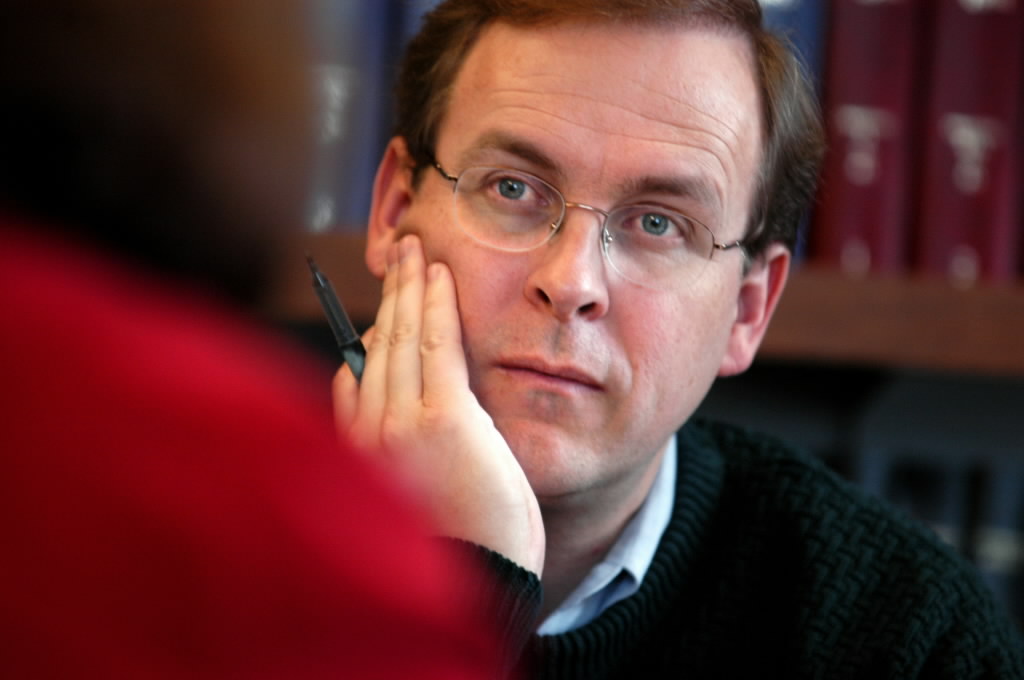
Mark Dayton


Matt Entenza


Margaret Anderson Kelliher


The Minnesota DFL party has three great candidates for governor. Most DFLers would be happy with any one of them as our next governor. There are some differences between them; their platforms are not exactly the same. Yet any one of them would be such a better governor than any of the choices from any of the other parties. We thus all need to get together and make sure that whoever wins the DFL Primary gets voted in as the winner in November.

Will buying ads help one of these candidates win the governorship? Certainly. Ads help get the name out to the voting public. Who can buy the most ads? No doubt it will be Matt Entenza and Mark Dayton, who both have deep pockets. Kelliher's ability to buy ads will depend on how deep her supporters will reach into their own pockets. She's the endorsed candidate, so hopefully she'll get a lot of financial support. Even as the endorsed candidate, she'll still need money to work with.

Democratic gubernatorial candidate Mark Dayton is scheduled to start running TV ads very soon. Public records show Dayton bought at least $354 thousand worth of ads on Twin Cities TV stations.

Dayton's campaign manager, Dana Anderson, confirmed the campaign bought time through the August 10th primary but public records show purchases at most stations only through the end of June. Records at KARE11 show Dayton bought $239,075 of ad time between June 15th and August 10th.

Governor Pawlenty signed a bill last month that allows political committees to accept and spend corporate money on independent expenditures like TV ads and campaign literature. Minnesota continues to ban corporations from giving directly to candidates. The law had to be changed after the U.S. Supreme Court ruled that corporations can spend money on independent expenditures.

Campaign ads are certainly very important for the gubernatorial race. They may be considered the most important of all campaign stategies. However, there are also other things to look at, such as the past political record of the candidate, name recognition and what voters think a particular candidate can do for Minnesota. 
 
Besides current ad campaigns, I'll also be looking, in future blogs, at past political experience and what each candidate has done that will arouse the voting interest of Minnesota voters.
 
*********************************************** 

Wednesday, April 21, 2010

DFL GUBERNATORIAL CANDIDATES ON MPR: MARK DAYTON

I'm doing a series on the gubernatorial candidates and what they said on Tuesday and Wednesday (today) on MPR MIDDAY regarding several issues. I'll take the candidates one at a time, one per blog. Mark Dayton was the first one to speak in this series, so I'll take him on first. For each candidate I'll show what he or she said in bold print, then put my comments in normal print.

Mark Dayton at a Meet and Greet


Question #1:  Why are you running for governor?

Minnesota needs to go in a fundamentally different direction. The theme of my campaign is A Better Minnesota. Having just travelled over 9,000 miles throughout our state in all 87 counties, I'd say that Minnesotans are looking for a better direction. They need jobs. We've seen massive unemployment under Governor Pawlenty. We've seen budget cuts for our schools of over $1400 per student. We need to reinvest in education. We need to reinvest in our infrastructure. We need to make taxes progressive once again in Minnesota to pay for these essential investments so we can create a better Minnesota.

He consistently overuses the word "fundamentally." I've heard "fundamentally profound," "fundamentally wrong," and now "fundamentally different." I've also heard "profoundly and fundamentally wrong." Would someone please send Mr. Dayton a thesaurus? As far as the context of his answer, it doesn't really tell me anything new. Mr. Dayton is very good at telling us what Minnesota needs to do in a vague way, but there is nothing definite and nothing to tell us how to get there. He raises more questions than he answers. What does he mean, exactly, when he says we have to reinvest in eduation and infrastructure? What does he mean, exactly, by progressive taxes? Does he have specific figures? Does he know how long it will take Minnesota to get back on its feet once taxes are raised on the wealthy? Tom Bakk used to say, and probably still does, that raising taxes alone just won't be enough. Also, "looking for a better direction" is just not specific enough. That's extremely vague.


Question #2:  Should seeking the endorsement rather than going to the Primary without it matter to DFL voters?

I believe in democracy, and in a democracy all the people decide in a free election where the voters have choices of candidates. That means all the people. I'm running based on what I offer the state of Minnesota. I think it's much more important that 400,000 DFL primary voters get to decide who our party nominee is than 1300 party activists and leaders who I respect, but who should not be in a position to dictate to all the rest of the primary voters who their choice should be.

It seems to me that Mark Dayton is going to the Primary without even bothering with the endorsement because he doesn't think he can win the endorsement. I know many others who agree with me, including some of our candidates. The endorsement process is akin to representative government. Does Mr. Dayton believe that representative government should have no place in a democracy? Or is this just something he pretends to believe so that he can rationalize the avoidance of the DFL Primary? Why did he run for the U. S. Senate if he doesn't believe in representative democracy? (An even better question: why did he quit after only one term?) It appears that Mark Dayton is running to prove something to himself. He wants Minnesotans to like him again. Does he not know that his beloved Minnesotans can like him without him attempting to be governor? Does he not know that his chances of being the best candidate to run in November are slim to nil? Does he think that everyone is just going to forget about his fisasco in Washington? On the other hand, yes, Mark Dayton has 35 years of public service experience. Yet he never stayed in one position long at all. One term as State Auditor and one term as senator. Does he really think we're going to believe that he will spend eight years as Minnesota's governor even if he does by some remote chance win in November?  I want a DFL governor who can win the Primary and win in November. If the Universe is kind, it will give us R. T. Rybak, Margaret Anderson Kelliher, Paul Thissen or one of the other DFL candidates. We would have an excellent chance of winning the governorship with any of these people. Mr. Dayton, please go home and enjoy your millions. It's time to retire. 


Question #3: Do you have someone in mind to be your Lt. Governor?

I want a partner; someone I can work with over the course of eight years; someone who brings expertise that I might not have in areas and also a balance in terms of persepective on the state because it is a big job and the Lt. Governor not only serves as the constitutional officer with the governor but also on the executive council and a member of the State Board of Invenstments. She or he has a major responsibility that is statutorily and constitutionally established. So I want someone who will be a co-equal and strong partner in this undertaking.

Okay, this was hard in spots to take down verbatim in writing since Dayton stumbles over his syntax sometimes. There are also incomplete sentences that just trail off into a new thought. Sometimes his sentences get a bit long and are held together with words such as "and, "but," and "or." It's nice that Dayton wants to work with a lt. governor over the course of eight years, but realistically, he has never held one office for that long. He ended his State Auditor duties after only one term; he ended his senator duties after only one term. Why should we trust him to be governor for more than one term? Especially since he's not getting any younger and has a couple of health issues.


Question #4: Why would you be a better governor than Marty Seifert or Tom Emmer?

Both the Republican candidates would push Minnesota even further to the extreme. They both said that they will not raise income taxes on the wealthiest people in this state, which means our taxes will continue to be terribly unfair. It also means that property taxes will continue to rise for middle income Minnesotans and senior citizens and farmers and small business owners as they have been over the last decade. Representative Seifert said the government is a parasite, which is ironic considering that he's now collecting two government paychecks. Representative Emmer said that he would abolish local government aids. Having been in all 87 counties in the last two months and met with county commissioners as well as mayors and city council members from all political persuasions, that would virtually eliminate local government in the rural and property tax poor areas of the state. So I think they demonstrate a very poor understanding of the realities that Minnesotans are facing all over the state, and they would just push us farther and farther to the right wing extreme. 

This is a pretty good answer, although Dayton does need to work on his sentence structure, his habit of connecting phrases with "and" far too often, and varous other grammatical stumblings. He did get his point across that Seifert and Emmer just don't care about poor Minnesotans nor the plight of many who live in rural areas. Dayton makes a big effort to point out the huge discrepency in revenue goals between the Democrats and the Republicans. It's unfortunate that the Republicans do not have a more moderate candidate to offer up rather than two extreme right wing candidates. On the other hand, that's probably a good thing for the DFL winning the governorship this time around.


Question #5: Why would you want to take this mess on? How will you appeal to those who don't affiliate with any party?  

I don't wat to be part of the first generation in our nation's history to leave our state and our nation worse off to our chidren and grandchildren than we inherited it, and that would be my judgement today. These are challenging times; very difficult times. These are going to be difficult and probaably many very unpopular decisions that the next governor has to make. The political leaders I admire, and I don't put myself in their category, are people like Abraham Lincoln and Franklin Roosevelt and Winston Churchill, who led during difficult and perilous times. I think that's when it matters even more who the leader is and what direction he or she wants to lead. I just see that if we continue in the direction we're going today, if we're going to continue to cut back funding for education - Governor Pawlenty has cut per people aid formula by over $1400 per student - we have overcrowded classrooms all over the state. We have school districts in Minnesota that operate four day school weeks like rural Louisiana - so great, now our education policy is going to follow in the footsteps of rural Louisiana? Minnesota? As the state demographer and state economist have been saying to anyone who will listen, we are sacrificing the strengths of this state by disinvesting in education, infrastructure and essential services, health care, quality of life, and we're sacrificing the future of the state. I don't wanna see that happen. I wanna change direction and make it better. I think that's a broad appeal that applies to the vast majority of Minnesotans who recognize that things are getting worse. They don't have a job, they worry about property taxes going up, they want to see a better Minnesota.

Ok, this answer is very good. The problem is that this is from Dayton's repertoire of canned speeches. This is one he's got memorized. It's when he's asked a question that he's unprepared for that he has problems. Mark Dayton is not known for his ability to think on his feet. Don't get me wrong, he's very quick witted, but the words don't come out right if he doesn't have them prepared in advance. This particular answer is one he's told to audiences many, many times before. These are good ideas, but not all that original. I wonder who his speechwriter is. On the other hand, we all know that Minnesota is in deep trouble. Now the main question becomes who is the best suited candidate to put Minnesota back on track? I honestly don't think it is Mark Dayton. Word is out that he's of the old school of politics. We need someone younger; maybe someone with executive experience like R. T. Rybak. Maybe someone with new and fresh ideas, like Paul Thissen. Maybe someone who understands both rural and urban issues, like Margaret Anderson Kelliher. So maybe not Mark Dayton.

***************************************************************


Tuesday, April 20, 2010

MATT ENTENZA ROCKS!!!

Matt Entenza


Isn't this a great picture of Matt Entenza? I stole it off his website. I hope he doesn't mind. Naah, he won't.

I just love the Entenza campaign. Those staffers treat me like gold. They tell me that's how supporters ought to be treated. I had forgotten. They reminded me. It's a win-win situation.

Matt is a pretty cool guy too. He's not in the campaign office as much as his staffers are, and I'm not there every day by any means. Still, the way they treat me makes me want to keep coming back.

Not only that, but it's a great campaign and Matt is a great candidate. Sure, it took me awhile to warm up to them, but once I actually went to the campaign office to volunteer, I was hooked. People tend to go where they know they'll be well received. People tend to go where they're liked. And people tend to go where they're needed. At Entenza's campaign headquarters, I get all three. I'm liked, I'm well received and I'm needed. Woo hoo!!!

Plus, Matt's got excellent ideas for Minnesota. Probably the best I've heard in many ways. I can now visualize a Minnesota that's a new Silicon Valley of Energy. Wind energy, solar energy and whatever other kinds of energy are floating about. It's all clean, too. Clean energy, that is. As opposed to, for example, energy from burning coal. (I'm no physicist; can you tell?)

The Entenza campaign is full of energy too. Energized people for energized products. It makes sense, doesn't it? My new Entenza campaign friends have so much energy that I feel better and healthier just being around them. Come on down and see for yourselves.

I have fun everytime I step foot in Entenza's campaign offices. Take today, for example. I was trying to download and then upload a couple of pictures that my youngest son Marcus sent me. I was having a bit of trouble because it was in a zip file. Finally I was able to send them to someone as an attachment to an email. I wasn't sure who I should send them to. I knew I was going to the Entenza offices soon. So I sent them to Jason Hitchcock. Guess what they were pictures of? My grandfetus! Yup, two ultrasound pictures of my grandson. (At least they think it's a boy because of the heartbeat.)

Imagine Jason's surprise when he got these pictures in his email! When I got there I had to explain what they were. Then all the girls (Bridgette, Gretchen, etc.) crowded around and ooohed and ahhed over my grandbaby's picture. It was so sweet!

(Hey, look at all the cool stuff the Dayton people are missing out on! Their loss; the Entenza people's gain! Just like the election will be!!!)

Wanna see the ultrasound pictures? Ok, here they are.


Those are two separate pictures of my grandson, Alexander William Champlin. My son is Marcus Alexander Champlin. Here's a couple of pictures of him.

                         Marcus Alexander Champlin

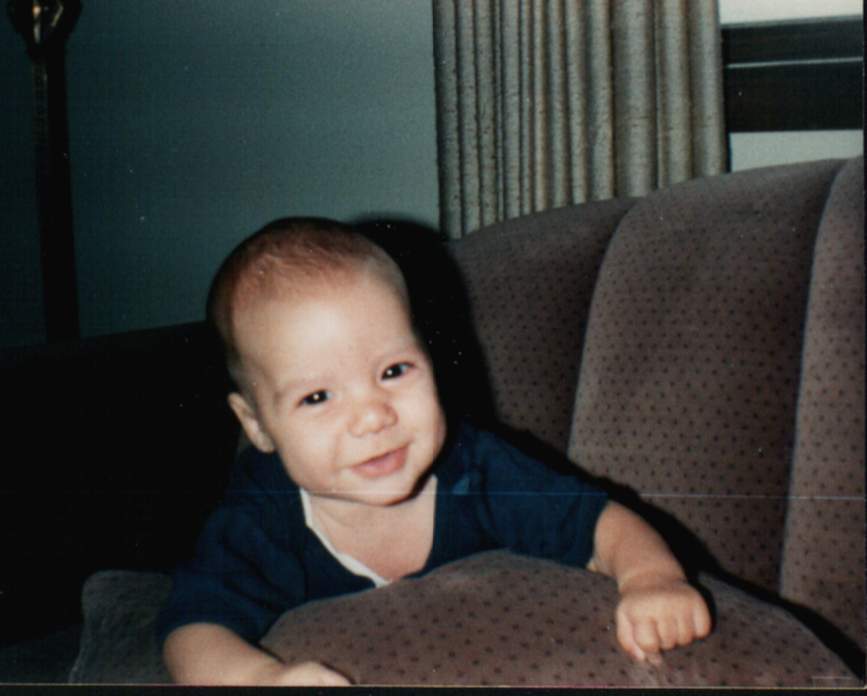
                                 Baby Marcus

                                  Marcus on Amtrak

                          Marcus in Shoreview, Minnesota

                 An Older Marcus in Shoreview, MN

Marcus Champlin and his dad Mark Champlin in Southern Missouri


Marcus with his cousin's baby


Oh hey, I forgot, this blog is supposed to be about Matt Entenza and his campaign. Sorry about that. This son of mine, though, is just as cute as a bug's ear. Right? So you'll forgive me for digressing. There's a baby on the way, you know.

Ok, here's some more pictures of Matt. Remember, this blog is about him.

 
                             Matt Entenza


                  Matt Entenza, Gubernatorial Candidate

Matt Entenza is a candidate who many people are overlooking. That's all about to change. Matt is a candidate who represents the future, not the past. He's got great ideas. He's got an abundance of energy. To find out more, go to his website.

Monday, March 29, 2010

Mark Dayton Should Drop out of MN DFL Gubernatorial Race for the Good of the DFL Party

Mark Dayton

Mark Dayton said in 2006 that he was not the best candidate to lead the DFL party to victory in the Senate race. So why does he think he is now? Nothing has changed between then and now. He still carries the same baggage.

As far as his candidacy, Mark Dayton’s problem is that he is his own worst enemy, and because of that, the Republicans have a 7-inch file of things they will use against him in November. It’s called baggage. Dayton has a lot of it. While I like him very much as a person, and I was going to vote for him for that reason, I always knew that he’s not the best candidate to lead the DFL party to victory. He can win the Primary because of his high name recognition all over the state. Many voters only vote for a name they recognize. However, if he is the DFL candidate in November, he will lose. He has a history of not using good judgement in the things he says. He’s got the closing of his Senate office due to a terroristic threat going against him. I agree with his decision to close it, but that was the reason why his popularity dropped so much and he decided not to run for reelection for the Senate.

Time Magazine said he was one of the 5 worst Senators. He can’t get away from that stigma. He gave himself an F as Senator, and he can’t get away from that either. Most DFLers would vote for him if he was the DFL candidate on the ticket in November. However, there is no way he would be able to get the Independent Party vote or the vote of the independent and swing voters. Most of this stuff isn’t his fault, but his bad press goes everywhere, and the Republicans will use it all against him. The thing is, none of it is lies. It all actually happened. He doesn’t use good judgement when he talks to the press. Also, he shouldn’t have been so open to his constituents in all his Christmas letters every year where he talked about his two divorces and his struggle with depression and alcoholism.

Most active DFLers know that Mark Dayton will not be a good candidate for the DFL ticket in November because he has very little chance of winning.

Mark is a great person on a personal level. I don’t want anything to disparge his character, which is of very high quality. But he won’t win the November election.

************************************************************************

Wednesday, February 17, 2010

Augsburg College DFL Gubernatorial Debate


Six DFL candidates participated in the DFL gubernatorial debate at Augsburg College last night (February 16, 2010). They were R. T. Rybak, Tom Rukavina, Paul Thissen, Mark Dayton, John Marty and Tom Bakk. The event was sponsored by Sabo Center and Augsburg Political Science Department.

Since I never like to go home first after work, I went straight to Augsburg . I arrived around 4:30. I found the building and the auditorium, then went next door to the Student Center cafeteria and had a very light dinner, which I couldn’t finish because I’ve lost my appetite in the past couple of months.

I went back to the Music Hall, where the debate was taking place. It was still early, so I wandered down the hallway and found a Medieval Event going on in the chapel. How I wanted to go there instead of to the debate. If you’ve seen one gubernatorial candidate forum, you’ve seen them all. It’s not often that a medieval event takes place, though. I have a double major from the University of Minnesota in English literature and history. My history emphasis was Tudor/Stuart England as well as Renaissance and Medieval History. I love the Renaissance Festival in Shakopee and try to go there every year.

Duty called, and back I went down the hallway to the auditorium. It was still early, so I chatted for awhile with the moderator of the gubernatorial debate. This was Jay Benanav, Augsburg 's director of government relations. He is a former member of the St. Paul City Council. I had a very interesting conversation with him for about twenty minutes.

"The next governor will set the tone for issues ranging from health care to the environment to taxes to economic development," said Benanav. "All of these issues will impact the job market in the state and would directly impact the ability to get a job in Minnesota after graduation."

By now people were beginning to arrive, including campaign staffers. Benanav went off to prepare for his duties of the evening. Frank Brown, my friend from TakeAction MN and Second Chance Coalition, walked in the door and came over to say hi to me. It was good to see him again.

Rybak has a lot of excellent staffers. They’re always right on top of it as they try to get new supporters. They tried to get me, but Brian II from Dayton ’s campaign put a stop to that. Orrie tried once again to get me to support Rukavina. Since I’m going to be a delegate at the SD53 convention this Saturday, and since my alleged candidate is not part of the endorsement process by choice, Orrie figured I may as well caucus for Rukavina. I really ought to caucus for reNEW MN. (Coincidentally, I just got off the phone with Elizabeth from TakeAction.) Tom Rukavina caught me in the aisle of the auditorium and pressed one of his campaign buttons into my hand and smiled so engagingly. How come Dayton never does that? Oh well, he gives hugs. I can go a long time (at least 24 hours) on a good hug. Hugs are energizing.

Kudos to Paul Thissen, Tom Rukavina and Mark Dayton for coming up to me before the debate and asking how I am. They all know I’m fighting liver disease. It’s nice of them to remember to inquire after my health. I had a chance to talk to Paul Thissen for several minutes regarding Pawlenty’s horrible budget news. Paul is always ready to listen and to respond in a meaningful way. When you talk to him, you know he’s really listening. He’s focused on you and not on the next voter or the next person who might be walking in the door. He should give lessons on that to all the other candidates.

Frank Brown and I sat in front of the auditorium, in the second row, so we could see the candidates up close and hear what they said. The forum began promptly at 7:00. A few prepared questions focusing on education issues and policy were asked of the candidates. At the end of the prepared questions and the candidates’ answers, the audience was invited to ask questions.


Here are some of the questions and how the candidates responded to them.

Question #1:  School districts are creatures of the state. What is the responsibility of the state vs the responsibility of the school district? How should education be funded?

R. T. Rybak - He gave a rousing but brief analysis of how funding won't come from Pawlenty. He believes that most of the control of schools should be at the local level. People should rally around the kids in the communities. He gave some examples of what's been working in Minneapolis.

Tom Rukavina - Jobs, jobs, jobs and education, education, education. I think the jobs jobs jobs is from Bakk's campaign, although that mantra really should have gone to Dayton as he worked so closely with Rudy Perpich, whose mantra it was originally. He likes the Minnesota Miracle. He talked about excess levy. He says the current main criteria for education comes from federal laws and mandates and that they are handed down with no money.

Paul Thissen - We should consider what tone the governor will set. The state should provide resources for education. Education should be funded by the state. He's a fan of having a liberal education in order to provide students with a well-rounded education in order to prepare students for life and lead them into the future.

Mark Dayton - He believes that shifting the financial costs of education onto property taxes is unconstitutional. He has the knowledge to back up that claim. When he is governor, he will increase K - 12 funding every year that he is in office, no excuses and no exceptions. He means it, too. You can count on it. As far as campaign promises and doing what he says, he is never wishy-washy. As far as politics, he says what he means and means what he says.

John Marty - Education is a good thing to invest in for our future. We need to train people from an early age to be good human beings and to be compassionate toward others. He thinks that our educational system should teach, among other things, language, music, arts and sex education. He is in favor of a broad range of subjects being taught to our kids.

Tom Bakk - If you can pass a levy in a school district you can get funding. If the levy doesn't pass, the school district doesn't get that funding. Many school districts are being left behind because the levy doesn't pass. He used Grand Marais as an example. 


Question #2:  What ideas do you have for new models of education. Where will you get other ideas?

Tom Rukavina - He'll get new ideas from teachers. Governor Pawlenty is pulling six million dollars out of the educational system, including colleges. We must train the workforce with educational opportunities. He has legislated mining endowments for the University of Minnesota.

Paul Thissen - He will look to teachers and communities for new ideas. We must close the achievement gap. Look to the good charter schools for good ideas. 

Mark Dayton - He will look to teachers and administrators. As Senator, he legislated Excellence in Education. He voted against No Child Left Behind because it didn't work. He gave another anecdote about energy savings in a particular school in Minnesota. This school uses geothermal energy and has built a dome around the school.

John Marty - He wants to reinstate a state-wide school board. He doesn't want to leave it in the hands of the governor and the commissioner. He wants to have master teachers who mentor younger teachers. He believes in taking care of the whole child and meeting their needs.

Tom Bakk - Governors set the tone. The next governor will be very important. We're at a fork in the road. The next governor will need to bring in teachers and administrators and talk about what is working in the educational system and what is not working. Pawlenty says our schools are failing, but Bakk says that is not true. Minnesota schools have the highest ACT scores and the highest graduation rates in the country. 

R. T. Rybak - He told the audience that he spends a tremendous amount of time in schools. He feels energized when he comes out of schools. He wants to teach students about agriculture and let them learn how to home grow and how to cook the food. He wants more programs like elementary music. He talked about the success of the Minneapolis Promise.


Question #3:  How much K  - 12 federal funding concedes to the federal government?

Paul Thissen - Be wary of the strings attached to federal government. The Feds try to tie our hands. 

Mark Dayton - Paul Wellstone held the legislature for No Child Left Behind for six months. Teachers don't want to teach to the tests. They want to instill a love of learning in the kids. The Feds should fund special education. Dayton told of his experiences teaching school right after his college graduation from Yale University. 

John Marty - No Child Left Behind is a terrible way to test kids. We can't measure compassion, character, etc.

Tom Bakk - The carrot always comes with attachments. (Great metaphor, Tom.) Real reforms come from states, not from the Feds. We need to find a new way to fund schools.

R. T. Rybak - TPaw puts too much ideaology into education. The next governor needs to be involved. The achievement gap is at a critical level. This brings an urgency to the education issues.

Tom Rukavina - We judge the school districts on who shows up to take the tests. Some kids just don't come to school on test day. 


Question #4:  What is a fair, transparent, expedient way to evaluate teachers?

Mark Dayton - Evaluation of teachers should be a local matter. It should be done by the superintendent, principal, etc. Teachers should be held accountable. He doesn't know of any teachers who don't want to be accountable. (I do. Talk to my son Charles and his wife Becky. Also my son Marcus. They can tell you about several teachers at Irondale who never wanted to be held accountable. These teachers were terrible! One teacher didn't even teach. He just had his classes watch movies all the time. Another didn't know the first thing about the math he was teaching. He always had to go next door to another teacher and ask how to do the problem. There are a lot of teachers like that in our school systems.)

John Marty - Put the evaluations of teachers at the local level. Most teachers really care about the kids. (I don't know about most. I do know that there are far too many who don't care about the kids. Some of it is probably because they are overworked and underpaid. Some is because teachers are no longer allowed to discipline naughty kids in any way whatsoever. Some are just worn out from years of teaching.)

Tom Bakk - The way we pay teachers is fundamentally flawed. Teachers need more money.

R. T. Rybak - He recently blogged aobut a teacher on his website. Go there and read it. He likes to sit with others at the table to look at educational challenges and the achievement gap.

Tom Rukavina - He can't think of one bad teacher that he ever had. Teachers have the most challenging job in society. We don't pay them enough.

Paul Thissen - The problem is, how do you measure a teacher's performance? He thinks they should get higher salaries if they are teaching in tough communities.


Question #5:  How would you structure early education in Minnesota?

John Marty - Make sure that every kid with intensive needs gets intensive help. Visiting nurses should go to the home when necessary. We need to meet the mental health needs of the students and their families as well as look at the chemical dependency issues. Also, parents need education too.

Tom Bakk - The legislators get to see the research that's going on. Studies at the University of Minnesota shows incredible learning that happens in just the first three months of life.

R. T. Rybak - Kids must come to school ready to learn. Northside Achievement Zone in Minneapolis is modeled after the Harlem Children's Zone in New York. Allina in Minneapolis has the Backyard Project. We need to stop kids from having kids. We must train the parents.

Tom Rukavina - A Virginia school district has an innovation for bonding. It didn't get funded, though. Taxes are an investment in society.

Paul Thissen - Wants to make good information available to parents. He also wants to move Early Childhood Family Education to the public school system.

Mark Dayton - He thinks it's important to have funding for all day kindergarden. He volunteered at Head Start 40 years ago when he was a senior in school. (Now there's something new I hadn't heard before. It's always good to mention new things that the audience doesn't know about yet. It keeps the responses fresh and interesting.) He thinks that better and more productive citizens are created through Early Childhood Family Education.


That was the last of the set questions. After that the audience asked questions of the candidates. By that time I was tired of scribbling notes so I put down my pen and notebook and just listened. The candidates were all talking rather fast tonight as they wanted to convey a lot of thoughts in just a minute or two. It was very hard for me to keep up with my notes. I have got to get a digital recorder.

After questions from the audience and candidate responses, each candidate was given time to present their closing statements.

Here's my take on the evening:

These particular six DFL gubernatorial candidates were all in top form tonight. Every one of them was excellent in their answers as well as in their communication skills. If this was the first time I had heard any of them, I would not be able to choose just one to vote for. If I did not already have a chosen candidate who I support, I don't know how I would make the decision. All six of these candidates pretty much agreed on all the issues. If we really want a DFL governor this time, I guess we need to decide who is the most electable. The problem with that is, though, that you never know for sure until the primary and the general election in November. Which one can beat Marty Seifert or Tom Emmer? Will it have to be someone who doesn't have much that the Republicans can throw up in their faces? Or are all the DFL candidates looking for things against the GOP candidates as well? Is it going to be another mud-slinging campaign? God, I hope not. People are so sick of that.

A few more remarks about the evening:

Tom Rukavina was outrageously funny again tonight and at times had the audience in stitches. Is he losing votes and delegates because people think he can't be serious? I know he can be dead serious when he wants to be, but I've heard some people say they wondered about it. It's great to have a good sense of humor, though, to add spice to the evening.

At one point Tom Rukavina flung a cheap shot at Mark Dayton. It started out as a compliment but ended with a barb. He said that Dayton quit the Senate. I knew as soon as those words popped out of the Representative's mouth that he shouldn't have said that. Then it was another candidate's turn to answer the question that had been asked, and next it was our former Senator's turn. Mark Dayton took half the time allotted to the question to respond to what Rukavina had said. He gave an excellent answer, then went on to respond to the original question. I thought it was smart for Dayton to set the record straight on what his Iron Range Buddy had said.

Paul Thissen made a verbal gaffe when he accidently said breast instead of best. Some of the students in the audience snickered, but Thissen made an excellent recovery in spite of the somewhat embarrassing moment.

The best humorous moment belongs to Mark Dayton. He said, in response to the question from an audience member about the teaching of more languages in the schools, "I went to China seven times and tried to learn the language but found I have two left tongues. I did learn to say the chid sat on the chair under the airplane."  ROFL.

All in all in was a good evening. I enjoy being around a lot of people. I liked seeing old and new friends again. I wish I could have talked to the candidates longer afterwards, but they're always in such a hurry. Perhaps they hurry elsewhere to talk to people who can donate more money to their campaigns. I personally have never been poor in my entire life. I've merely been temporarily broke for the past 59 years.

That's the thing I would hate most about being a candidate. The constant chasing after money and trying to get others to donate to my campaign. That would be very distasteful.

One more comment: the candidates should smile more when the other candidates are speaking. Most of them frown way too much. Why would anyone vote for someone who frowned all the time?

That's all, folks. Until next time...


Sunday, February 14, 2010

GUBERNATORIAL CANDIDATE FORUM ON RADIO KFAI

Thanks to Marty Owings of KFAI Radiofor the above picture.

On February 8, 2010, Radio KFAI sponsored a gubernatorial candidate forum at their studio. Present for this interview were DFL candidates Margaret Anderson Kelliher, John Marty and Tom Rukavina, as well as IP candidates Robb Hahn and Tom Horner. Also present were GOP candidates Marty Seifert, Bill Haas and Tom Emmer.

KFAI will be doing another forum with more gubernatorial candidates on March 25. You can listen at the KFAI website.

The candidates were all first given a chance to briefly introduce themselves and tell why they are running for governor. Here's what they said:

Margaret Anderson Kelliher - She's running because she believes our best days are yet to come, but we have some serious hard work to do to get there. We have some needs on the front of education and health care. As a mom, she knows that. (Wouldn't she know that even if she weren't a mom?) She's a public school parent. She proudly lives in Minneapolis but grew up on a small dairy farm in southern Minnesota. (Now there's something no one has heard before. What a surprise!) She thinks that's an important piece. (Huh?) Because the governor is the great equalizer in the state, making sure that people are treated fairly and making sure that every part of the state is growing and has a plan for growth into the future. (Our governor does that? Our current governor? Pawlenty? MAK is not thinking on her feet today!)

Tom Rukavina - He's running for governor because he really loves this state and he hates seeing what has happened to it in the last ten to twelve years. He grew up in the little mining town of Virginia, MN, where he was taught the value of a good education and of having a good job. He's tried to do that for the last 24 years at the Capitol. He's been the person who has tried to make sure that we still have a manufacturing base in this country. He wants to make sure that our kids have an affordable education, particularly higher education. He's concerned with tuition increases at both the University and in our MNSCU system, and even our private colleges. It's really terrible, and we have to make sure education is one of our top priorities. And that's why he's running for governor. (The only thing I can comment on for evaluation purposes is the use of the crutch word "um." Otherwise Tom got his point across quite well.)

Bill Haas - He brings a different perspective to the office of governor. As a business owner, he works every day with small business owners around the state of Minnesota. These are the salt of the earth people who keep our economy going. They're having a lot of problems and they're struggling. So are their employees. He's been listening to them. He served ten years in the House of Representatives and was the mayor of Champlin where he planned and developed the city. (My son's ancestor on his father's side founded the city of Champlin. It was planned and developed long before Haas became mayor.) He's been able to bring people together to make things happen. That is what's important. We have a lot of problems we have to solve with the State. We have a great state. We have a lot of resources; we have a lot of untapped resources and good people. We just need to bring these people together so we can solve the problem we're under and move forward again and get this economy up and running. (Haas has too many double starts and uses "uh" as his crutch word. His main thing is to bring people together. He says nothing of what he will do for the vulnerable population of MN.)

Tom Emmer - He's running for governor because he thinks the next governor of this state should understand first hand how hard it is to run a business in this state. The next governor of this state should understand what it's like to struggle to meet a payroll and having the personal experience of meeting a payroll but not getting paid because you're the owner of the business. It's important, and he'd like to be involved in redesigning government in the state of Minnesota. We need to once again establish what the priorities are that we expect from government. We need to redesign our government to meet those priorities. We need to lower the cost of doing business in this state to not only keep the jobs we have right now but to once again make Minnesota the place of investment and opportunity for new jobs that drive our cities, our towns, our communities. (He's not the best speaker I've ever heard; not by a long shot. He sounds angry and whiny. He's a boring speaker, too.)

Marty Seifert - His two main reasons for running for governor are his two kids. He wants to make sure that Minnesota offers the same opportunities for his kids as he and his five brothers had growing up on a farm in southern Minnesota. His dad was able to raise six kids on an eighth grade education. When he was growing up the biggest employers in Minnesota were private sector and now three of the top five employers are government. Two weeks ago he and his wife had to sit for nine hours doing paperwork for their small business. If they lived in any neighboring state, they wouldn't have had to do any. For him it's about downsizing, rightsizing and economizing government, growing the private sector, and allowing an opportunity for people to grow and thrive and for the business sector to grow again. Minnesota is a wonderful place to raise a family or we wouldn't all be here, but it's a tough place to do business. (Marty Seifert sure talks fast. Slow down a little bit, Marty. On the plus side, he doesn't use any obvious crutch words or double starts. He's got a pleasant voice. He doesn't sound angry. He's not whiny. He sounds very reasonable. Were I Republican, I would vote for him. But I'm not so I won't. I would recommend him to my Republican friends who I know would never vote DFL. I think that Seifert is the best of the Republican candidates. I'd sure rather have him than Emmer or Haas. It's a moot point, though, as the next governor is definitely going to be DFL. Seifert is a typical Republican who thinks that we have too much government. If our government is not in top shape, it's the fault of the Republicans, since it's been a Republican administration in Minnesota for quite some time now. So if you don't like the way things are, blame Pawlenty and his administration.) 

Tom Horner - Like many of these candidates, he brings the experience of starting and operating a successful small business that he's run for the past twenty years. He's proud that in all of that time, he's been able to provide good benefits and good pay for all of his workers. Through good times and bad they've never had to lay off a person because of economic conditions. That takes leadership. He spent more than thirty years in Minnesota public policy and politics working on issues and bringing people together around a vision; around a clear sense of how to make a great state an even better state. The real reason he's running is that we're in a year, 2010, that is going to require a different kind of leadership. When you have single party government that doesn't work in Washington and shared party government that's not working in Minnesota, there needs to be an alternative. He says we're going to hear a lot of good ideas tonight. He's the one candidate who can take the best of those ideas and make them work for Minnesota. (Horner doesn't use many crutch words or double starts. He's a pretty good speaker. Not an exciting speaker, but not too terribly dull, either. He's reasonable. He's probably the best of the Independent Party candidates as far as governorship potential. He seems intelligent.)

Rob Hahn - He's a true outsider. He's running as a small business man, a St. Paul resident, and an author. He brings a different perspective to this race. He's never been affiliated with the Democratic Party and he's never been affiliated with the Republican Party. He's not saying that's a bad thing, but he thinks we're at a point in our state where we need fresh leadership; someone who can reinvigorate the electorate and get them excited about politics and politicians once again and get rid of the cynicism. Too often he and his friends sit around and bemoan what they don't like about government. The main reason he got into this election is because he has something to offer. He has more than something to offer. He can sit around and complain or he can put his hat in the ring, and that's what he's done. As a small businessman, he knows we have to be more fiscally responsible as a state and be more business friendly. (Rob Hahn is a good speaker. I didn't catch many crutch words or double starts at all. Plus he has good tone of voice, vocal variety and voice inflection. He projects his voice well. I'd say he's in the top half of tonight's speakers as far as showing enthusiasm. I'd rank John Marty first in enthusiasm and passion for his topic, then Rukavina, Kelliher and Hahn.)

John Marty - He's running for governor because he thinks we have to invest in a bigger and better future. That means partly in good business investments and partly good investments in human infrastructure. That means investing and making sure that everyone has health care. Not 92%; not 95%; not health insurance, but health care. It also means investing in schools so that we have a system where all of our kids get higher education opportunities and affordable higher education opportunities. Minnesota has always thrived compared to other states and compared to other countries because we invested in our people. We've slipped backwards in that and now the consequence is that we can't even provide health care to everyone. It's a shame. He's running for governor because he knows we can change that. (John Marty is an excellent speaker. He speaks with passion and enthusiasm. He knows that MN can do better and he's not afraid to say that everybody should have health care as a basic right. He's a candidate who reminds me of Paul Wellstone.)


Next there's a set of questions that were submitted by KFAI's listeners. The first question deals with taxes. It's from James in St. Paul.

Tax revenues are down. Some have suggested tax cuts, including elimination of corporate taxes. Is the elimination of corporate taxes a good idea? Why or why not?

Marty Seifert -  Minnesota has the 3rd highest corporate tax in the world. He comes from a philosophy that you have less of what you tax and more of what you subsidize. If you tax job providers, you will have fewer of them in the state.  We are competing in a world economy. It's about being competitive throughout the United States and competitive throughout the world. We have very uncompetitive tax rates when it comes to business tax rates in Minnesota. He doesn't think he's being unrealistic in thinking that we can bring those tax rates down. We must bring down those tax rates if we're going to grow those big companies like we had when he was a kid, such as Dayton-Hudson, 3M and Honeywell. They were the biggest employers in the state of Minnesota, and now their divisions are all going elsewhere. We need to be able to downsize the tax system so the businesses can upsize in Minnesota and grow those jobs here. (Basically, Seifert wants less government and less taxes, especially corporate taxes. He says nothing of all the things that taxes do for Minnesota, such as good roads, nice parks, a good educational system, affordable higher education, and all the other things that taxes pay for. Hasn't he noticed all the potholes in the roads? Hasn't he heard about the atrocious state of our public schools? Doesn't he know that they have no money and that property taxes have gone sky high? Apparently he's not very well informed.)

Tom Emmer - It's time to rethink how we deliver government in the state of Minnesota, and frankly across this country. Big government, which is the idea that is typically offered by the other side of the aisle, doesn't work. That debate is over. Just look at Massachusetts, Michigan and California. It doesn't work. We can't continue to sustain the pace we're on. We need to redefine what the priorities are that we expect from government and then redesign government to meet those priorities. When it comes to revenues and taxes, you have to rethink how you do the tax structure. When you tax production, it has a negative impact. We should be looking at more of a consumption based tax. The governor had a group that put out the twenty-first century tax reform proposal last year that included some references to value added taxes and that sort of thing. We really do have to rethink that whole tax structure. (Emmer, that debate is not over. Come on over to this side of the aisle. You'll feel better and you might even lose all that anger in your voice. Don't worry about redesigning government. You should start with redesigning your Republican party. Savvy?)

Bill Haas - In November of 2009, another 700 jobs left the state of Minnesota. The reason why they left is taxes, cost of doing business and regulations. This is happening and it continues to happen year after year. As we lose more businesses out of the state, we have less revenues. The state has somewhat of a problem with revenues, but we also have a spending problem. That's what we have to take action on first. Get a handle on our spending. The problem with our state budget is that once you're in, you're always in, and nobody looks at your spending again. They only look at the new spending. You can't do that in a business. A business does zero-based budgeting. We look at everything on an annual basis to evaluate our programs. That's not being done at the state level. We need to implement zero-based budgeting, put in sound business accounting and budgeting practices so we can really see what we're spending money on. After that we can go after the tax system and we can modify and redo the tax system and simplify it and we can reduce taxes in this state. (Say Bill, did you know that the State is non-profit? It's biggest concern is taking care of those who can't take care of themselves. It's other big concern is to regulate businesses in order to protect the consumer. Treating the state as though it were one of your for-profit businesses is not going to work. We've seen what tax cuts do. Look at our roads. How is your car handling all the potholes? Schools are overcrowded. Some are going to a 4-day week because they can't afford to stay open for 5 days. Tuition for higher education is becoming unattainable. Meanwhile, Pawlenty cuts income taxes. The result is high property taxes. Sorry, Bill, but your analysis just doesn't cut it. Stick with your private business and stay out of state government.)

Tom Rukavina - He heard this story before back in 1999 and 2000. Pawlenty and his cohorts said let's cut the income tax and we'll have all these jobs created. The Ventura administration created a couple of jobs. This, however, is the first time in the history of this state that a governor in eight years has less jobs and actual real jobs than when he started. The same thing holds true on the national level. It was thought that if we cut taxes and the estate taxes, we're going to have all these jobs. Maybe they took their money and put the jobs in Indonesia or in China or wherever. Rukavina thinks we need to look at the tax structure and reward companies that locate their jobs and keep their manufacturing base in this country. He maintains that the loss of companies to overseas locations is why this recession is almost a depression. We should penalize corporations that move their jobs overseas with our tax money that we gave them. (This makes the most sense of anything I've heard yet on this question. Go Tom Rukavina!)

Margaret Anderson Kelliher - The outright elimination of the corporate tax at this time would actually add a two billion dollar additional budget hole on top of what we have already. So we're really looking at, then, a 10 to 12 billion dollar hole. What we have to do is be sensitive to the issue of business taxation in this state. A reasonable plan is to do some phasing down of the corporate tax over time as long as we're balancing the rest of the tax system. It has to start with a fair tax system. Right now, our current tax system is not as fair as it could be. She thinks there is an opportunity for us to attract in more manufacturing in the state of Minnesota. Near market manufacturing, where it's going to get expensive because of energy costs over the next twenty to thirty years for components to be shipped overseas and then back again. We have an expertise in manufacturing in this state. We should be able to grow that in to near market manufacturing jobs. (This is one of the best responses I've ever heard from Kelliher. This is good stuff.)

John Marty - Frankly, the idea of cutting corporate taxes right now when we have a big deficit is probably not realistic. He thinks we should focus our tax on progressive taxes, especially progressive income taxes. Right now the idea that we're going to be cutting corporate taxes is just a non-starter. What we can be doing to help business is supporting the Minnesota Health Plan, a single-payer bill that will take the health care burden off of businesses, which is the number one burden and well above government regulation and taxes as far as what is holding businesses down. We have to fix that and make sure we address the  need of having a well trained, well educated work force. That's the most important single thing that employers need. The idea of cutting corportate taxes right now is just not realistic. (John Marty has great ideas. Speech evaluation: focus your thoughts to eliminate double starts. Good logical ideas on the subject.)

Rob Hahn -  He thinks we've got the workforce and he thinks it's well trained. We need to continue to do that. It makes sense to work toward an elimination of the corporate tax. We can't do it overnight; it has to be done gradually. Something has to be done immediately to give these employers incentive to go out and hire more employees. Not just does the corporate tax need to be reduced, but there has to be some incentives for corporations to hire new workers. That will get people working again and gets those people paying income taxes. It will help the companies grow. Then they can contribute to the overall  good of the economic society here in Minnesota. For too long, we've been too unfriendly to businesses big and small. We need to do more to do what's right for those businesses instead of  looking at them as just fat cats. (This was a great answer from Rob. Evaluation: gather thoughts before starting a new sentence; this will help eliminate all the double starts. One the plus side, it's obvious that Rob has thought about this for quite some time. He has definite ideas about businesses in Minnesota.)

Tom Horner -  This is a great issue to start our discussion tonight because it brings into sharp focus the challenges that Minnesotans are going to have to decide in moving forward. The fact is, almost exactly a year ago the Republicans proposed a package of economic reforms including changes in the corporate income tax. At about the same time, the DFL chair of the House tax committee was making virtually the same proposals. Republicans shot it down because it would have required an increase in other taxes; Democrats shot it down because it didn't appeal to a lot of their constituencies. Where there was 90% agreement, there was also stagnation. Of course we have to move forward on some of these issues; of course we have to look for the future; of course we have to be competitive. But we can't take individual issues and say let's deal with corporate income tax in isolation from spending. We need a comprehensive policy that says, "How are we going to grow Minnesota? How are we going to move into the future?" (Horner has a good comprehension of corporate tax issues. He gets his ideas across clearly. He obviously researched his topic.)


The second question of the evening comes from Nancy in Fergus Falls.

What do you plan to do to improve early childhood care and education in our state? How can we improve the dental and mental health of our youngest citizens and improve access to care? 

Tom Horner -  We need to make a bigger investment in early childhood education. Any investment made in this area is returned many times over. When we have half of our students coming into kindergarden unprepared to learn, and not just children coming from communities of poverty, but children coming from all communites, that's a tragedy. We need to take a look at education as a whole picture and make the smart investment. That's going to require taking a look at teacher pay. We ought to pay good teachers whatever it takes to keep them in the classroom. We need to also sit down with Education Minnesota and figure out how we get rid of the bad teachers because any amount that we pay a bad teacher is too much. On the dental, part of the problem is the legislature cuts reimbursement to dentists and then wonders why dentists aren't able to provide care. So we need to take a look at health reform and make sure that it's working for everybody. 

Marty Seifert - The primary educators of children are their parents. We can't lose track of that. Also, there was a proposal in the legislature that Governor Pawlenty was warm to and the Senate Democrats were warm to, which was a scholarship program to let parents choose the best method of educating their kids. Right now we have Head Start, which is income based for some kids but doesn't always produce the desired results in that particular program. Right next door is an ECFE program which is doing much better. We need to do a thorough analysis of what the best programs are and then let parents vote with their money to determine what the best product would be for their kids. The scholarship program made a lot of sense. Maybe Rukavina and Kelliher could explain why they thought it was a bad idea. We had two of the three legs that were in agreement that parents should be empowered to educate those kids. On the dental issue, reimbursements are obviously part of it and also educating more dentists. If we don't have more and more people to be providers, we're going to have trouble. (Marty, the primary educators of children are not the parents for the simple reason that most families have two working parents now. When do you think they're going to have time to educate their own children? Not only that, but many parents don't have the patience to educate their own kids. That's why we have teachers and schools. The best thing to do is try to find more good teachers and get the bad teachers out, tenure or no tenure.)

Tom Emmer - He thinks that on the issues of early childhood education, dental and medical, the way to solve the problems is not by throwing more government and more money at it. He agrees with Marty Seifert that the highest authority in the education of kids should be the parents. The parents should decide where and how their kids get educated. He thinks there's too much state involvement. He totally disagrees with John Marty regarding health care. The issue is not whether or not government should be providing more health care. The issue is how much is government hurting the system and raising costs. We need to start making health care more affordable by inserting market forces into our health care system. That would be competition.  (It's hard to listen to Emmer because he stumbles so much with his words. Way too many double starts. He's boring, too, plus he doesn't know what he's talking about. He should get out of the way and let John Marty do his thing with the Minnesota Health Plan. Emmer is just another Republican who doesn't care one iota about how many people don't have health care and health insurance. My reaction to Tom Emmer: eeewwwwwwwwwwwwwww!)

Bill Haas - This is an issue that has been discussed in the legislature year after year after year and it doesn't seem to come to a fruition of the problem. It's time to dismantle the whole system and come up with one system that will work. We've got too many different programs going. Let's consolidate and go into one program. Then we can focus the resources to the children and start the Early Childhood Education and really start gearing to what it should be: preparing kids for grade school. Rather than having all these different curriculums all over the place on different levels, let's get them all on one level of curriculum so that we can move the kids forward. As far as the medical and dental insurance, there's a lot of people who are covered throughout the state by the small business owners of this state. So they do have access to medical and dental (What world do you live in, Bill?) It's just more of an issue through public programs. He says he noticed the other day that a school district has actually implemented a dental and medical facility into their school district now as a pilot program. (Bill Haas definitely is not going to be the next governor. He doesn't understand what Minnesotans need and want. Also, I thought Republicans believed in the free enterprise system for everything. Now here's Bill Haas saying we can only have one program for early childhood education. Make up your mind, Haas, you can't have it both ways.) 

Tom Rukavina - "Early childhood is very important. A good moderate Republican governor who I served under, Arnie Carlson, believed in it so much that he actaully supported putting more state money into early childhood education. He was a moderate Republican, unlike my three friends to the right of me. Representative Emmer, I don't know what country you're living in, but we do have a free market system in our health care system right now. You're shaking your head over there. Last year United Health Group made 3.8 billion dollars in one of the worst economies we've had since the Great Depression, making money off of people's sickness. We have to look at that. Finally, Representative Seifert, you talk about scholarships. You took over some of the wealthiest school districts in 2001 and you said the economy would grow and we would pay for that. But you never paid for that so where would you get money for scholarships and what poor people would you take it away from this time is something I'm wondering about." 

Margaret Anderson Kelliher - "Nancy's question in Fergus Falls is something that I'm passionate about. I'm passionate about it because I'm a mom. I was able to stay home with my kids for awhile. I did ECFE but I also had the experience of having a great nursery experience for them. The fact is that we only spend one percent of our state budget on our earliest young kids, ages zero to five. I think we should work toward making that two percent of our state budget over the next few years. The return on investment is amazing. For every one dollar we invest, a $12 return on investment, lower early special education costs, lower correction costs later on, and lower remedial education costs. This is an issue that is very important that we should make a centerpiece of what we're going to do. It helps close the achievement gap, but bigger than that, it maximizes the potential of those youngest learners. The other piece is, I'm proud of the work we've done to expand health care to 40,000 more Minnesota children. (MAK is good to go on Early Childhood Family Education and related issues. The other candidates should listen to her on this one. She's been there and done that. The people who have personally experienced ECFE are the ones who know the most about it. I had my son Marcus enrolled in that when he was little. They had programs for the parents, too. I felt that it benefitted my child in many ways.)

John Marty - "Early childhood education is the best investment we can make for the future. Some have confused the difference between Head Start, which is a full time program for at risk kids, and Early Childhood Family Education, which is a few hours a week for all kids. We need to focus on both. We have to make sure that kids who are particularly troubled have the additional attention they need. But it's not just early childhood education. It's also making sure we have affordable child care, so I've been proposing that we fully fund the sliding fee child care program so every working parent can have their kids in a safe, secure, solid place for them to have child care and education at the same time. For health care, the whole idea that we're going to try to cover a few more kids with dental care or something, that doesn't work. We have to make health care, including dental care and mental health care, available as a right to all kids." (John Marty would be a great governor. He's the progressive leader that we have long been looking for. He holds the same principles and values as Paul Wellstone did. But could he win the general election in November? Are there enough progressive liberal voters in Minnesota to get him elected? How much grassroots effort are DFLers prepared to put into the election of the candidate who is the most progressive?)

Rob Hahn - "I agree with Speaker Kelliher that we can spend more money, but I think it's got to come from the existing pot. I don't think it can be created, especially in these economic times. I had a thorough discussion with a reporter friend of mine today about education. When the state is spending so much of its budget on education, that we need to look at every place the money is being spent on a yearly basis, like we would operate a business. What's working and what's not, and get rid of what's not working. We need to look at expanding some of the charter schools. Granted, some of them have not done so well, but I know a number of them that have. I like when the parents, the teachers and the administrators are all involved and all have something in it. Frankly, I think we have to work more closely with Education Minnesota and other unions. They have to adapt to the current day and age. Their membership has to adapt and realize that the economy has changed and they can't expect what they used to in the past and still have a functioning educational system here in Minnesota." (I don't think that Hahn knows as much as Kelliher or Marty do about this issue.)